Custom Car Appraisal: Why Standard Valuation Tools Don’t Work on a Modified Build
By Auto Appraisal Pros Team · October 22, 2026 · 9 min read
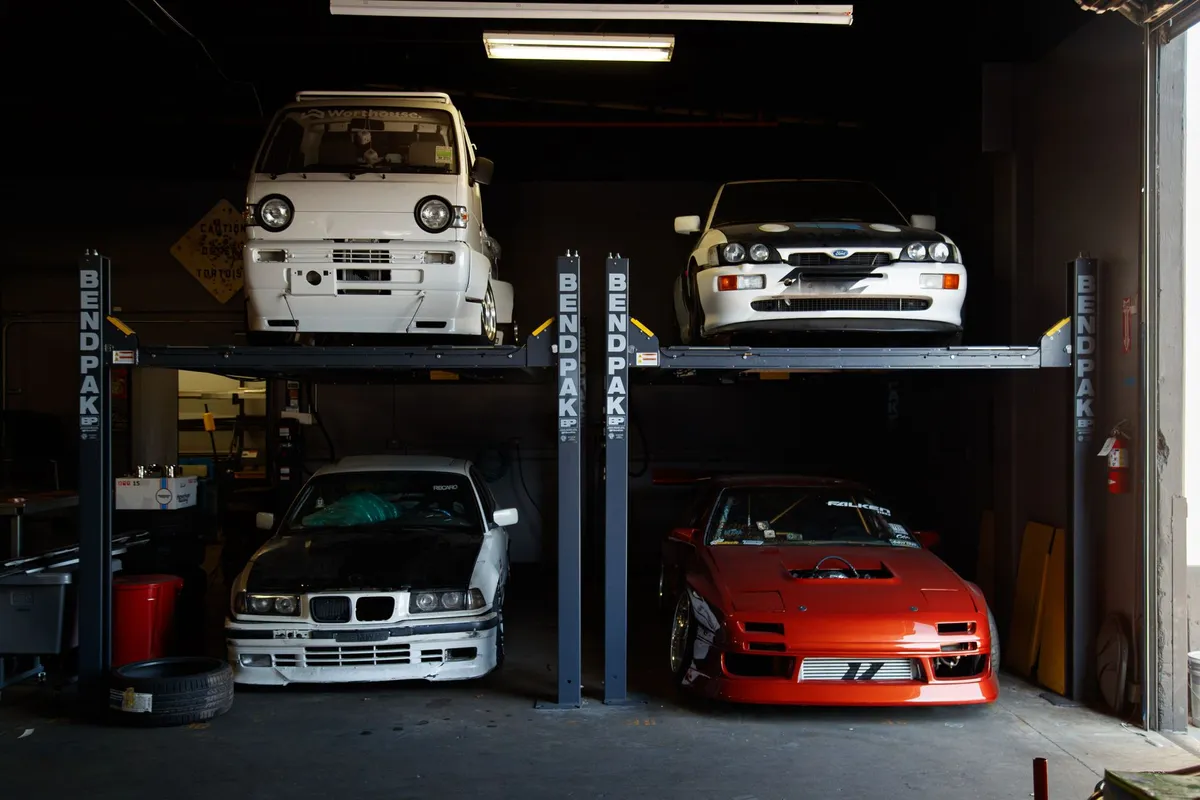
A custom car appraisal documents fabrication quality, parts and labor, and comparable sales of similar builds — the things a standard pricing guide has no field for, because a modified car has no factory equivalent to compare it against. Restomods, pro-touring builds, show cars, and full kit-car fabrications all need the same thing: a valuation built around what was actually done to the car, not a database lookup.
The short version: online tools price factory configurations, your build isn't one, and that gap is exactly what a custom car appraisal is built to close.
The Short Version
- Pricing guides value factory configurations — a modified car has no equivalent to look up.
- Build cost and appraised value are different numbers; quality of execution decides the gap.
- Standard auto insurance caps aftermarket parts coverage far below what most builds are worth.
- A fully home-built vehicle usually needs specially constructed vehicle titling, not a standard registration.
Why Standard Valuation Tools Don't Work
We've covered elsewhere why online car appraisal tools fall short even on stock vehicles — they work by matching your car to recent sales of the same year, make, model, and trim. A modified car breaks that matching process at the first step. There's no comparable sale for a 1990s BMW E36 with a built engine, a custom roll cage, and a one-off aero kit, because the tool has no category for "this specific combination of work." It either ignores the modifications entirely and returns a stock valuation, or it can't return a number at all.
Money Spent Is Not Value Added
Here's the one opinion I'll hand you: the single most common mistake builders make is assuming receipts equal value. A car with $60,000 in parts, installed by the owner in a home garage over a few years, can appraise for less than a car built for $30,000 by a shop with a reputation for clean fabrication work. The market pays for execution quality, not for what went into the build — a hard truth worth knowing before a sale, not after an offer disappoints you.
Fabrication quality, parts selection, documentation, and demand for that specific style of build all factor into the final number, and none of them scale linearly with what was spent.
What an Appraiser Actually Documents
- Fabrication and build quality, assessed in person, not from photos alone.
- Engine, drivetrain, and suspension modifications, with parts and labor documented.
- Paint, bodywork, and any custom panel or chassis fabrication.
- Build records, receipts, and provenance — who built it, and when.
- Comparable sales of similar builds, where a direct match exists.
That last point is the hardest part of the job on a truly one-off build. When no close comparable exists, a credentialed appraiser works from component value, labor cost at market rate, and demand within the specific build style — the same logic an experienced buyer would apply, documented formally.
The Insurance Gap Most Builders Miss
According to Progressive, a standard auto policy doesn't fully cover aftermarket parts and features — "you may need to add an endorsement to your auto policy or buy a custom car insurance policy." Most insurers offer a Custom Parts and Equipment endorsement specifically to raise that ceiling, but it generally only works if you've told the insurer about the modifications and can document what they're worth.
That documentation requirement is exactly what an appraisal provides. Without it, a total loss claim on a heavily built car settles on the insurer's assumption of a stock vehicle's value — the same problem we've covered with agreed value coverage generally, just sharper on a build where the modifications are most of what the car is worth.
The Title Problem on Full Builds
A fully home-built or kit-assembled vehicle usually can't be titled like a normal used car. In California, for example, the DMV requires registering it as a specially constructed vehicle, which means bills of sale and receipts for major components — engine, frame, transmission, body — plus a completed Statement of Construction, not a standard title transfer. Rules vary by state, but the pattern is consistent: a vehicle that didn't come from a factory needs paperwork proving what it actually is before it needs a valuation.
What a Custom Car Appraisal Costs
Pricing generally lands in the same range as classic car appraisal costs— roughly $250 to $1,200 or more — driven mainly by build complexity and how much documentation already exists going in. A bolt-on modified daily driver with saved receipts appraises faster and cheaper than a fully fabricated show car with no paper trail to start from.
Appraisers accredited through the American Society of Appraisers follow the same personal property valuation standards on a custom build as on a factory classic — the process is more involved, not less rigorous.
How to Get Your Build Appraised
Send us your build's documentation — parts, labor, fabrication work, and any records you've kept — and we'll put together a written appraisal that treats your car as the one-off it actually is, not an approximation of something that rolled off a factory line.
Request an appraisal to get started, or browse more guides like this on the blog.
We've appraised builds that started life as something else entirely. Tell us what yours became.
Frequently Asked Questions
What is a custom car appraisal?
A professional, independent valuation of a modified, restored, or fully custom-built vehicle — documenting fabrication quality, parts and labor, and comparable sales of similar builds, rather than relying on a standard pricing guide that has no category for your car.
Why doesn’t Kelley Blue Book work for a modified car?
Pricing guides price a known factory configuration against recent sales of the same configuration. A modified car has no factory equivalent — engine swaps, custom bodywork, and fabrication work simply aren’t fields the tool has, so the number it returns describes a car that no longer exists.
Does insurance cover custom parts and modifications?
Usually only up to a small built-in limit on a standard policy. For real coverage, most insurers offer a Custom Parts and Equipment endorsement, which raises that ceiling specifically for aftermarket components — but you generally have to disclose the modifications and document them first.
How much does a custom car appraisal cost?
Typically in a similar range to a classic car appraisal, generally $250 to $1,200 or more, depending on build complexity and how much documentation already exists. A heavily fabricated, fully custom vehicle costs more to appraise than a bolt-on modified daily driver.
Do I need to register a kit car or home-built vehicle differently?
Yes, in most states. A fully home-built or kit vehicle typically needs to be titled as a specially constructed vehicle, which requires documentation like bills of sale for major components and a statement of construction — not just a standard title application.
Does money spent on a build equal its appraised value?
No. Build cost and fabrication quality often diverge, and a car with $60,000 in parts and amateur installation can appraise for less than a car built for half that by a shop with a strong reputation. An appraisal values the finished result, not the receipts.