How Much Does a Classic Car Appraisal Cost?
By Auto Appraisal Pros Team · October 5, 2026 · 7 min read
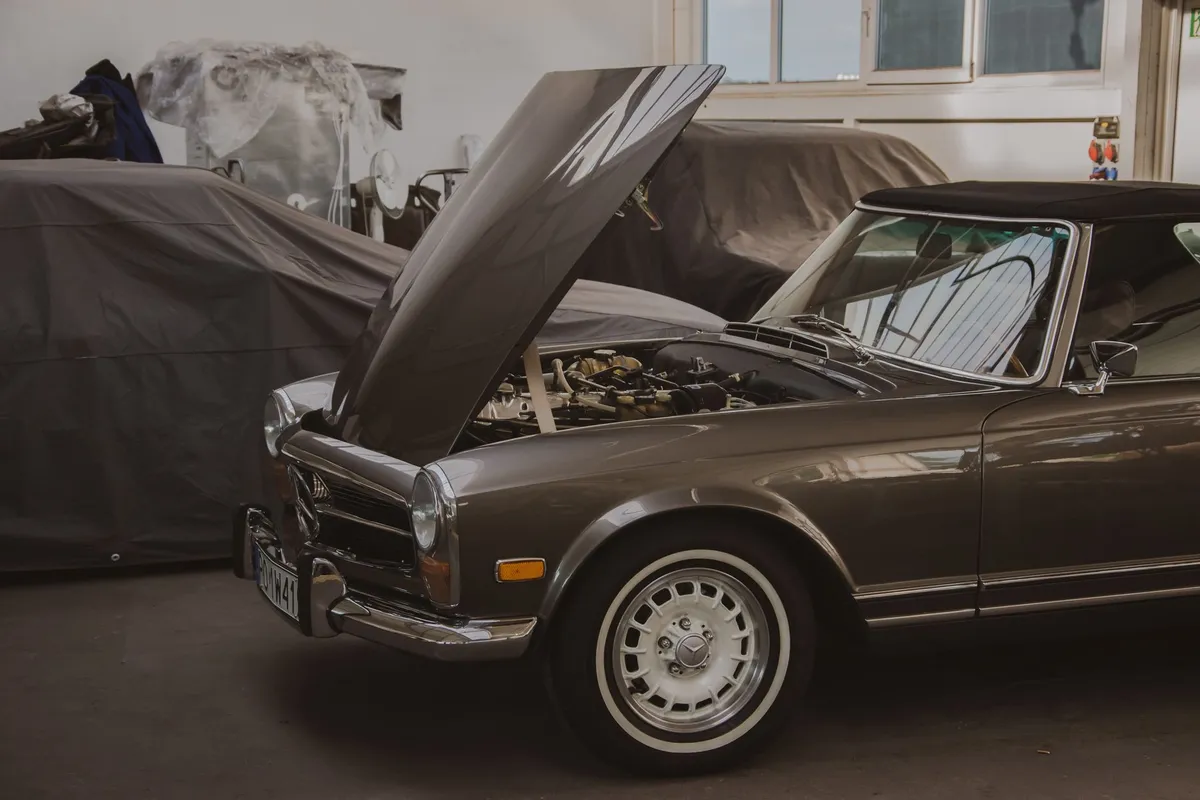
Classic car appraisals generally run from around $250 on the low end to $1,200 or more for rare, heavily documented, or custom vehicles, based on pricing published across the industry. The exact number depends less on the car's value and more on how much research it takes to defend that value.
A classic car appraisal costs more than a regular one for the same reason a classic car costs more than a regular one: there's more to argue about.
The Typical Cost Range
Published pricing across the appraisal industry puts a standard vehicle appraisal around $250 to $750, with classic, custom, and collector vehicles commonly running higher — certified appraisers frequently quote $500 to $1,200 for classic or collector cars, depending on complexity. None of this is a quote for our own service specifically; treat it as the general market range you should expect to see, not a fixed number any appraiser owes you.
A classic car appraisal and a standard vehicle appraisal are priced differently because they're answering different questions — one compares your car to thousands of similar recent sales, the other has to build that comparison set from scratch.
What Drives the Price Up or Down
- Rarity. Fewer comparable sales mean more time spent finding the ones that exist.
- Documentation depth. Verifying matching numbers, ownership history, and restoration records takes real research hours.
- Modifications. A custom build has no standard comparable at all — the appraiser is pricing choices, not just the car.
- Delivery format. A bound hard copy report commonly costs more than a digital-only one.
- Multiple vehicles. Appraising a whole collection at once is usually discounted per car compared to one-off requests.
We will absolutely ask how many previous owners there were. We will also absolutely care about the answer more than is strictly professional.
In-Person vs. Remote Appraisals
An appraiser traveling to your garage instead of you bringing the car to them is a mobile appraisal, and industry-wide it commonly costs more — gas doesn't appraise itself. We work remotely in most cases, from the photos and documentation you send us, with an in-person inspection when the situation genuinely calls for it, which keeps cost tied to what the car actually needs rather than defaulting to the more expensive option every time.
Why Standard Pricing Guides Fall Short
Collector-market guides like Hagerty's are built from real auction and peer-to-peer sales data, and they say so themselves: “there's no fixed percentage or dollar amount that any rating will add or subtract from a car's overall value.” A six-step condition scale sounds excessive until you've seen what “barn find” can mean on two very different barns.
Pricing guides average thousands of ordinary sales. A classic car's value often lives in the one detail none of those sales had — a factory option nobody else ordered, a rare color, an unbroken chain of documented owners.
What You're Actually Paying For
A real appraisal fee isn't a form fee. Appraisers accredited through the American Society of Appraisers need five years of documented appraisal experience before accreditation and reaccreditation every five years after — that bar is part of what you're paying for, along with the actual research hours: condition documentation, comparable sales specific to your car's market, and a written report built to hold up to scrutiny, not just sound confident.
Paying for documentation research is really paying someone to read old paperwork so you don't have to — a genuinely underrated service. (We've seen appraisals get more expensive because the car had more stories than the owner remembered to tell us upfront. Tell us upfront.)
When It's Worth the Cost
Most agreed-value policies for classic and collector vehicles require a documented appraisal to set that value when the policy is written — standard actual-cash-value coverage doesn't require one upfront, which is a quiet part of why it tends to undervalue a classic car later, after it's too late to fix. An appraisal is also what carries weight in estate and probate matters, financing, or a sale where the asking price actually needs to be defended, not just asserted.
Here's the one opinion I'll hand you: that $250-to-$1,200-plus range isn't really about the paperwork — it's about how much research your specific car needs before anyone can defend a number. A common model with a clean, well-documented history sits at the low end. A rare one with gaps in the paper trail sits at the high end, and paying more for that research is usually cheaper than guessing wrong on an insurance schedule or a sale.
How to Get a Classic Car Appraised
Send us the vehicle's details, photos, and whatever documentation you have — ownership history, restoration records, factory build sheet if you've got one. We'll appraise it remotely in most cases, in person when the car calls for it, and research comparable sales in the collector market specifically rather than running it through a mainstream pricing tool. If you're deciding between an appraisal and a pre-purchase inspection before buying, that guide covers when you actually need both.
Request an appraisal to get started, or browse more guides like this on the blog.
Tell us what you've got, tell us what you know about it, and we'll tell you what it's worth — paperwork, previous-owner gossip, and all.
Frequently Asked Questions
How much does a classic car appraisal cost?
Industry-wide, classic and collector car appraisals commonly run from around $250 on the low end to $1,200 or more for rare, heavily documented, or custom vehicles. Where your car lands in that range depends mostly on how much research the appraiser has to do, not a flat per-car rate.
What makes a classic car appraisal more expensive than a regular one?
Research time. A standard vehicle appraisal leans on high-volume sales data that already exists. A classic car appraisal often means tracking down comparable sales in a thin market, verifying documentation, and weighing details — originality, matching numbers, restoration quality — that a generic pricing tool has no framework for.
Is it cheaper to have the appraiser come to me, or to bring the car in?
Bringing the car to the appraiser is typically the less expensive option industry-wide, since a mobile or on-site appraisal usually adds a travel fee on top of the base cost.
Do I need an appraisal to insure a classic car?
Most agreed-value policies for classic and collector vehicles require a documented appraisal to set that value when the policy is written — standard actual-cash-value coverage generally doesn't require one upfront, which is part of why it tends to undervalue a classic car later.
Can I just use a price guide instead of paying for an appraisal?
A price guide is a reasonable starting point, but guides like Hagerty's are built from aggregated sales data and openly acknowledge that the fine details separating one specific car's value from another aren't something a fixed percentage or dollar adjustment can capture. For insurance scheduling, a sale, or a dispute, that gap is exactly what a documented appraisal is for.
How long does a classic car appraisal take?
The inspection itself can run anywhere from under an hour for a straightforward car to several hours for one with extensive documentation to review. The full written report typically follows within a few business days.
What's the difference between a classic car appraisal and a pre-purchase inspection?
An appraisal values the car; a pre-purchase inspection checks its mechanical condition. They're often done together on a classic, since mechanical quirks and value both matter more on a car that doesn't trade like a typical used vehicle — but they're two different services with two different price tags.