Online Car Appraisal Tools Compared: KBB, Edmunds, Carfax, and What They Miss
By Auto Appraisal Pros Team · October 16, 2026 · 11 min read
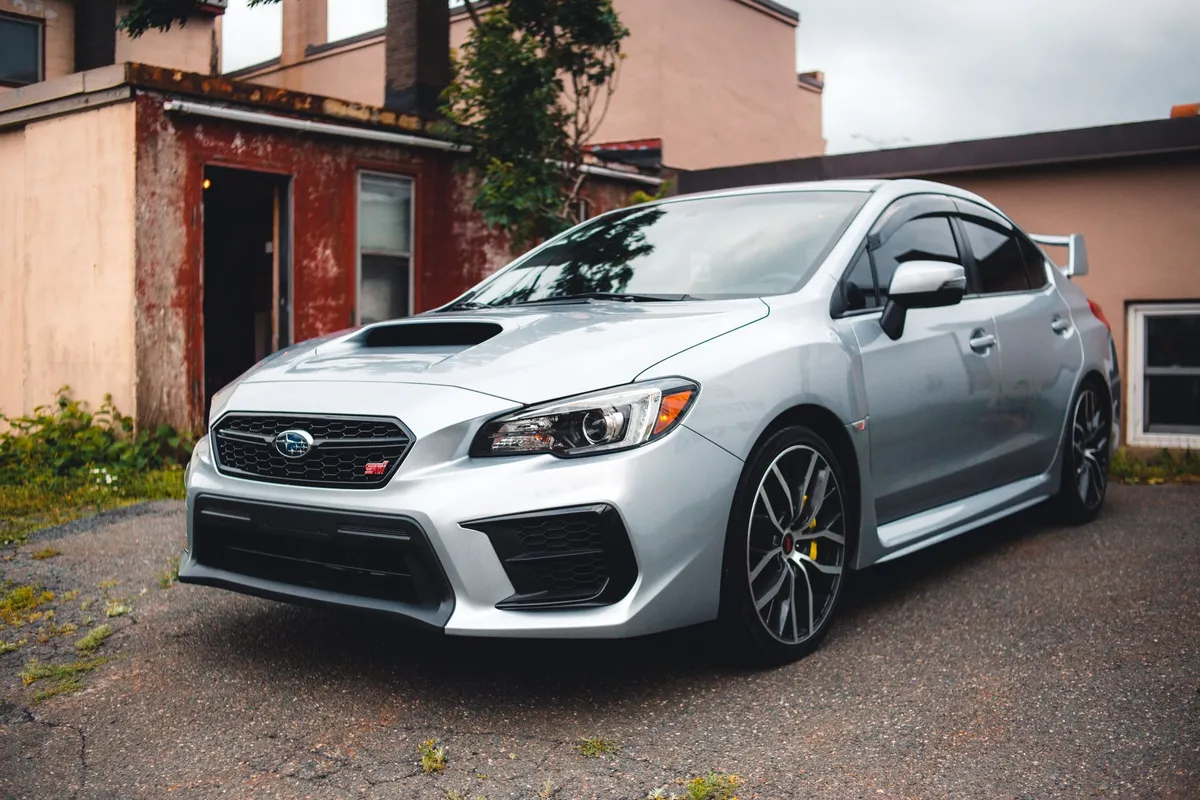
KBB, Edmunds, and Carfax can each hand you a different number for the exact same car, and none of them is simply getting it wrong. Every free valuation tool pulls from a different data set and answers a slightly different question — useful to know before you treat any single number as the final word.
The short version: these tools are genuinely useful starting points, not finished answers. Here's how each one actually works, why they land in different places, and what none of them can see.
The Short Version
- KBB, Edmunds, and J.D. Power are the three most widely used free starting points.
- Trade-in, private-party, and retail are three different numbers for the same car — check which one a tool is actually giving you.
- An instant cash offer is a real purchase offer from one buyer, not an independent valuation.
- None of them can see current condition, modifications, or maintenance the way a real inspection can.
The Main Tools, Compared
| Tool | Built From | Best For |
|---|---|---|
| Kelley Blue Book | Trade-in, private-party, and retail tiers | A quick range across different sale types |
| Edmunds (TMV) | Actual recent transaction data | A market-grounded number |
| J.D. Power / NADA | Wholesale and dealer-weighted data | Trade-in and financing conversations |
| Carfax | VIN-specific history — accidents, owners, maintenance | Factoring a specific car's record into the number |
None of these four are wrong, exactly — they're each built from different inputs and optimized for a different moment in the buying or selling process. Using only one is like judging an entire meal from a single bite.
Trade-In vs. Private-Party Value
The single most common reason two tools look like they disagree: they're not actually answering the same question. A trade-in number reflects what a dealer would offer, discounted for their own resale costs and margin. A private-party number reflects what an individual buyer might pay you directly, with no middleman taking a cut. Retail reflects what a dealer would list the car for after reconditioning it. Same car, three legitimately different numbers — check which one you're actually looking at before comparing it to a different tool's output.
Why They Disagree With Each Other
Beyond the trade-in/private-party/retail split, each tool weights its underlying data differently. Edmunds leans on actual recent transactions. J.D. Power and NADA data skews toward dealer and wholesale activity. Carfax folds in VIN-specific history that a generic guidebook never sees at all — a clean accident-free record versus a reported collision can move the number by a meaningful margin on an otherwise identical car.
Here's the one opinion I'll hand you: the gap between tools isn't a sign that one of them is broken. It's a sign that “what's my car worth” was never actually one question — it's several, and each tool is quietly answering a different one.
A Quick Example
Run an ordinary mid-size sedan through four tools and you might see something like this: KBB trade-in at $14,200, KBB private-party at $16,800, Edmunds TMV at $16,100, and an instant cash offer platform at $13,900. None of those numbers is lying. The trade-in and instant-offer figures both reflect a buyer who needs to resell the car at a profit. The private-party and TMV figures both reflect what you'd get selling directly to another individual. The spread is the story, not a glitch in one of the tools.
Instant Cash Offer Platforms Are a Different Thing
Carvana, CarMax, and similar instant-offer platforms aren't valuation tools in the same sense as KBB or Edmunds — they're a real purchase offer from one specific buyer, built around what that buyer can profitably resell your car for. It's a genuinely useful data point, and the offer is real money if you accept it. It isn't an independent opinion of market value, any more than a dealership's trade-in number is.
These offers also tend to be time-limited — typically good for a set window of days, after which the platform re-runs its numbers against current market data. A quote you're sitting on for a few weeks isn't necessarily the quote you'll get when you actually go to accept it.
How to Use These Tools Well
Run more than one, and note which value type each is giving you. Cross-check against an instant cash offer if you have one, and against current local listings for the same make, model, and year. Three or four numbers in a reasonable range tell you more than one number treated as gospel — and a VIN-based history check helps confirm the comparison is even apples to apples in the first place.
You can check a vehicle's title, salvage, and brand history yourself through the National Motor Vehicle Title Information System, the federal database built specifically to catch the kind of history gap a pricing tool has no way to see on its own.
When a Tool Isn't Enough
A free estimate is fine for a casual sale between two people who both trust it. It stops being enough when:
- An insurer or court needs a documented number. A screenshot of a free estimate generally isn't accepted as the final word.
- The car is a classic, exotic, or heavily modified. A standardized tool built from high-volume sales data has nothing comparable to average from.
- You're in a dispute. Whoever is on the other side is going to question a free number. A documented one is harder to wave away.
Appraisers accredited through the American Society of Appraisers follow a documented methodology specifically because a dropdown-selected condition grade isn't evidence — it's a starting guess.
How to Get a Real Appraisal
Send us your vehicle's details — VIN, mileage, condition, and documentation. We research real comparable sales and provide a written appraisal that goes further than any online tool can on its own.
Request an appraisal to get started, or browse more guides like this on the blog.
Run the free tools if you want a ballpark. Send it to us when the number actually has to hold up.
Frequently Asked Questions
Which online car appraisal tool is most accurate?
None of them is simply correct while the others are wrong — they pull from different data sources and answer slightly different questions. Kelley Blue Book, Edmunds, and J.D. Power are the most widely used starting points, and checking more than one gives a more grounded picture than trusting a single number.
Why do KBB and Edmunds give different values for the same car?
KBB calculates several values depending on how you plan to dispose of the car — trade-in, private party, retail — while Edmunds’s True Market Value leans on actual recent sales data. Different inputs, different weighting, different number for the identical car.
Is an instant cash offer the same as an appraisal?
No. An instant cash offer from a platform like Carvana or CarMax is a real purchase offer from that specific buyer, built around what they can profitably resell the car for — not an independent valuation of what the car is worth on the open market.
Does Carfax give a more accurate value because it uses vehicle history?
History-based data is a genuine advantage — it accounts for accidents, number of owners, and maintenance records a generic guidebook tool can’t see. It still doesn’t replace someone physically inspecting the car’s current condition.
Can I trust a free online tool for an insurance claim?
Generally not as the final word. Insurers and courts typically want a documented, credentialed appraisal with comparable sales behind it, not a screenshot of a free estimate.
When should I get a professional appraisal instead of using a free tool?
When the number needs to hold up to someone else’s scrutiny — an insurance dispute, a classic or modified vehicle, an estate or legal matter, or any situation where a free estimate won’t be accepted as the final number.