Agreed Value vs. Actual Cash Value: Which Insurance Payout Protects You?
By Auto Appraisal Pros Team · October 6, 2026 · 10 min read
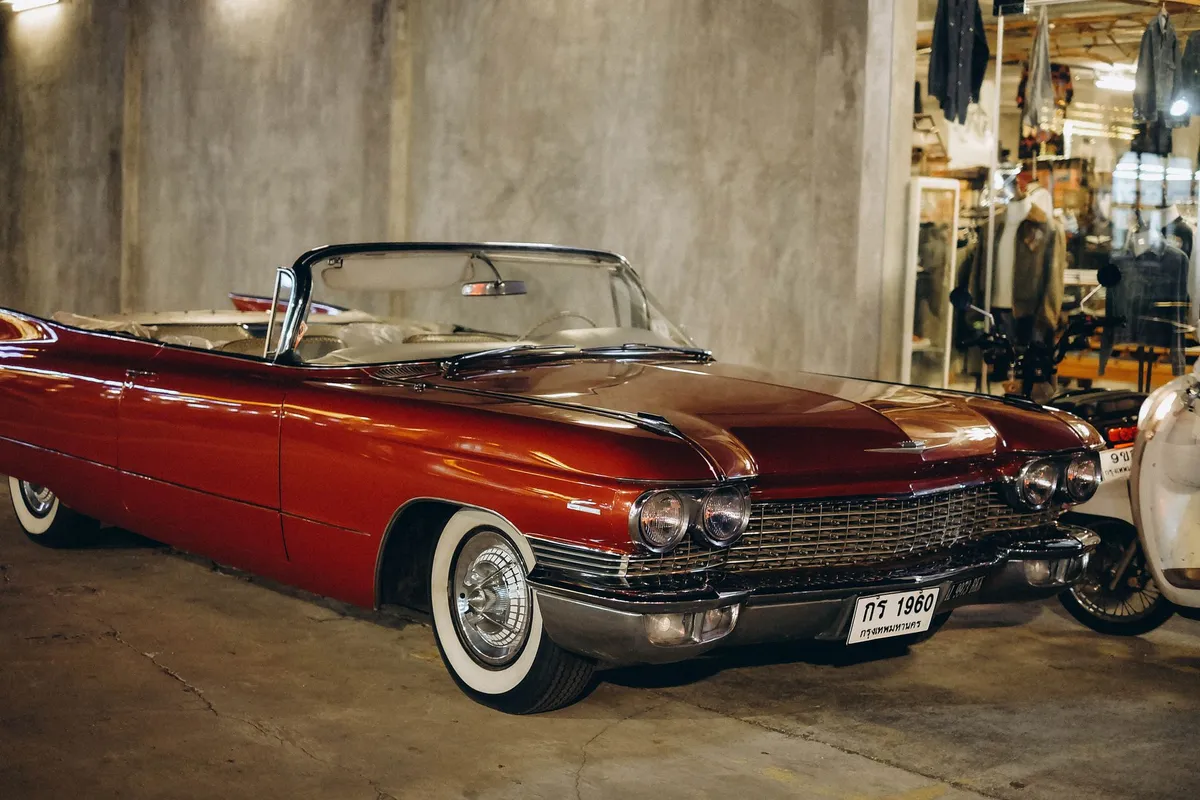
Agreed value pays a fixed, pre-set amount if your car is declared a total loss — the number doesn't move, no matter what the market does. Actual cash value pays whatever the car is determined to be worth at the time of loss, after depreciation. One is a number you lock in today. The other is a number someone calculates for you later.
The short version: actual cash value is the default on almost every standard policy. Agreed value is something you have to specifically opt into, and it usually requires an appraisal to set the number in the first place.
The Short Version
| Actual Cash Value | Agreed Value | |
|---|---|---|
| How the payout is set | Calculated at time of loss, after depreciation | Fixed in advance, before anything happens |
| Appraisal required upfront | No | Usually, yes |
| Premium | Lower | Higher |
| Best for | A standard depreciating daily driver | A classic, exotic, or heavily modified vehicle |
How Actual Cash Value Works
Actual cash value is the industry's polite way of saying what a stranger on the internet would have paid for your car five minutes before the accident. The Illinois Department of Insurance notes that insurers typically determine this using guidebooks or computerized market data rather than a pre-set figure — the number gets calculated after the loss, not agreed to beforehand.
That means the payout depreciates along with the car, every year, automatically, whether or not you're paying attention to it. For a standard vehicle that's expected to lose value on a normal curve, that's not a flaw — it's the entire point, and it's why ACV settlements can come in lower than owners expect.
ACV isn't take-it-or-leave-it, though. Most policies include an appraisal clause that lets you challenge a low ACV offer with your own independent appraisal, without a lawsuit. If you're on a standard policy and the number looks wrong, that clause — not a switch to agreed value after the fact — is the tool that actually applies.
How Agreed Value Works
Agreed value flips the order: you and the insurer set a specific dollar figure when the policy is written or renewed, and if the car is totaled, that's what you get — full stop, depreciation not invited. It's common for classic and collector vehicles, where standard actual-cash-value tools tend to undervalue a car that doesn't trade like a typical used vehicle in the first place.
Here's the one opinion I'll hand you: agreed value isn't really a different payout structure so much as it's paying upfront, in the form of a higher premium, to not have to argue later. Actual cash value defers the disagreement to the worst possible moment — right after you've lost the car — and agreed value settles it while everyone's still calm.
A Quick Example
Say a restored classic is appraised at $45,000 and insured at agreed value. Five years later, it's totaled. The payout is $45,000, regardless of what the broader classic car market did in the meantime. Now run the same car through actual cash value instead: the insurer’s database doesn’t know about the restoration, prices it like an ordinary used car of that age, and the offer comes in well under what the car was actually worth. Same car, same loss, two very different conversations with the insurer.
Where Stated Value Fits In
Stated value sits between the two, and it's the one most likely to surprise someone. You declare a value when you buy the policy, same as agreed value — but unlike agreed value, the insurer isn't bound to pay that number. A stated value policy pays whichever is lower: your stated figure, or the car's actual cash value at the time of loss.
A stated value of $40,000 on a car that's actually worth $28,000 at the time of the claim pays $28,000, not $40,000. The stated number is a ceiling, not a guarantee — which makes it considerably less useful than its name suggests. (We've had this conversation with more than one surprised owner. It's not a fun one to have after the fact.)
Insurers offer stated value because it's cheaper for them to underwrite than agreed value — they still get to apply depreciation at claim time, they just also get to advertise a specific number upfront, which reads as a feature even though it mostly isn't one. If an agent offers you stated value and describes it as “basically the same as agreed value, but cheaper,” ask them directly whether the payout is guaranteed or capped. The honest answer is capped.
The Appraisal Requirement
An agreed value isn't something you simply tell your insurer — it's something you prove to them. Most carriers require a professional appraisal, or at minimum detailed documentation and photos, before they'll write the policy at a specific number. Personal property appraisal — the category vehicles fall under — is a credentialed discipline; the American Society of Appraisers trains and accredits appraisers specifically in personal property valuation, automotive specialties included.
This is the step a lot of owners skip past mentally: “agreed value” sounds like something you negotiate over the phone. In practice, it's a number an appraiser builds from the car's actual condition and comparable sales, which the insurer then signs off on. Skip the appraisal and you're not getting agreed value — you're getting the insurer's guess with extra paperwork.
Which One You Actually Need
- Standard daily driver: actual cash value. It's cheaper, and the car was going to depreciate on a predictable curve regardless of what the policy says — paying extra to lock in a number the car would have hit anyway doesn't buy you much.
- Classic, exotic, or heavily modified vehicle: agreed value. A car that doesn't depreciate normally, or appreciates, needs a payout structure that doesn't assume a standard depreciation curve in the first place.
- Recently restored or upgraded vehicle: agreed value, and get the appraisal done after the work, not before — an appraisal that predates your restoration is appraising a different car than the one sitting in your garage now.
- Vehicle you're financing with a loan balance close to its value: worth checking whether your lender requires a specific valuation method — some financed policies default to actual cash value in ways that can leave a gap between the payout and what you still owe.

The moment a number either holds up without an argument, or doesn't.
Keeping an Agreed Value Current
An agreed value isn't a one-time setting. Most insurers want a reappraisal every two to five years, or sooner after a major restoration or modification changes what the car is actually worth. An agreed value that was accurate five years ago may be stale in either direction today — undervalued if the car appreciated, inflated if the market cooled.
A stale agreed value is still better than no agreed value, but it's not doing the one job it exists to do, which is remove the argument. Set a reminder. Appraisers are, by nature, people who remember things like this. We'd be happy to be the one who remembers it for you.
The reappraisal conversation is also the right time to update the insurer on anything that's changed — a repaint, an engine swap, a new set of period-correct wheels. An agreed value that still reflects the car's condition from three owners of upgrades ago isn't really agreed to anything current, it's agreed to a car that no longer exists in that form.
How to Get Your Agreed Value Set
Send us your vehicle's details — photos, mileage, documentation, and any restoration or modification records. We review it remotely in most cases, in person when the situation calls for it, research real comparable sales, and send back a written appraisal built to be submitted directly to your insurer to set or update your agreed value.
Request an appraisal to get started, or browse more guides like this on the blog.
Tell us what the car is, send us the details, and we'll send back a number worth agreeing to — no argument required later, which is really the whole point of all of this.
Frequently Asked Questions
Does agreed value insurance require an appraisal?
In most cases, yes. Insurers typically require a professional appraisal, or at minimum documented photos and condition details, before writing an agreed-value policy — the appraisal is what gives the agreed number something to stand on.
Is stated value the same as agreed value?
No, and the difference matters. Agreed value pays the fixed amount you and the insurer set, full stop. Stated value pays whichever is lower: the stated amount or the car’s actual cash value at the time of loss — so a stated value policy can still pay out less than the number on the policy.
How often do I need to update my agreed value?
Most insurers want a reappraisal every two to five years, or sooner after a major restoration or modification. An agreed value that was accurate five years ago may not reflect the car’s market today in either direction.
Does actual cash value insurance cost less than agreed value?
Usually, yes. ACV premiums tend to run lower because the insurer’s payout risk shrinks every year as the car depreciates. Agreed value premiums run higher because the payout is locked in regardless of market changes.
Which is better for a daily-driver car?
Actual cash value, in most cases. A standard depreciating vehicle doesn’t need a locked-in number, and ACV’s lower premium reflects that. Agreed value earns its cost on a car that doesn’t depreciate the normal way — classics, exotics, and heavily modified vehicles.
Can I negotiate my actual cash value settlement?
Yes. Most policies include an appraisal clause that lets you challenge a low ACV offer with your own independent appraisal, without going to court.