Classic Bike Valuation: What Actually Determines What a Vintage Motorcycle Is Worth
By Auto Appraisal Pros Team · October 22, 2026 · 9 min read
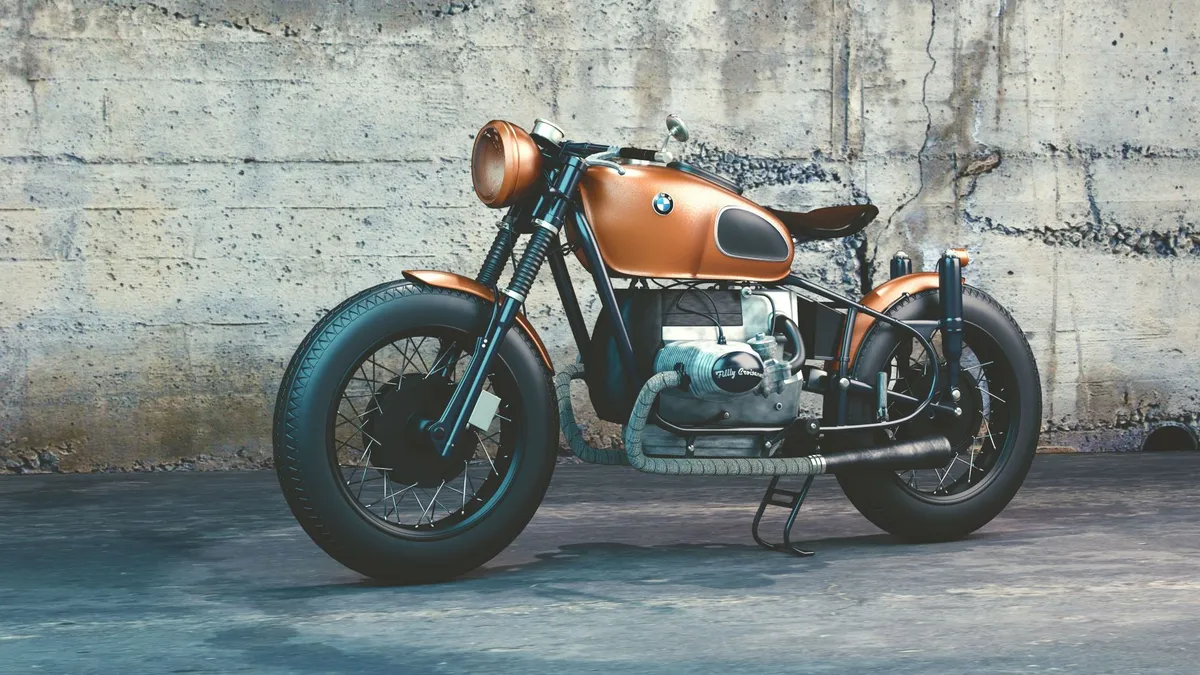
Classic bike valuation runs on originality, rarity, and restoration quality — not a single average pulled from a pricing guide. The same model, same year, can be worth dramatically different amounts depending on whether it still wears its factory paint and engine or has been restored, and how correctly that restoration was done.
The short version: a price guide tells you what a category of bike has sold for on average. An appraisal tells you what your specific bike is worth, and the gap between those two numbers is usually bigger on a motorcycle than on a car.
The Short Version
- Originality, rarity, and condition drive classic bike value — not age by itself.
- Pricing guides average a range of conditions; a specific bike can sit well outside that average.
- Restoration quality matters more than restoration cost.
- Not every appraiser credential in this industry comes from a real accrediting body.
What Actually Moves the Number
- Make and model — some marques and models carry collector demand that others in the same era simply don't.
- Originality — factory paint, stock engine, and original equipment versus replaced parts.
- Condition — not just cosmetic, but mechanical soundness and the absence of amateur repairs.
- Rarity — low original production, or a low surviving count today regardless of how many were built.
- Documentation — service history, ownership chain, and records supporting authenticity claims.
We've covered the same four-factor pattern for which classic cars actually appreciate in value, and it holds for motorcycles with one twist: parts scarcity hits bikes harder. A four-cylinder classic car shares components across a wider parts ecosystem than a 1960s British twin, where a missing or incorrect carburetor can be a genuinely hard find.
Why Pricing Guides Fall Short
A price guide number is an average across a range of condition and originality levels within a model year. That's useful context, not a valuation. The same way we've explained that pricing guides don't always get used motorcycle valuation right on the modern side of the market, the gap widens further on classics, where two examples of the same model can differ by tens of thousands of dollars based on originality alone — a spread a single average number simply can't represent.
Restoration Quality vs. Restoration Cost
Here's the one opinion I'll hand you: money spent on a restoration and value added by a restoration are two different numbers, and conflating them is the most common disappointment we see. A professionally executed restoration with correct, period-appropriate parts can meaningfully increase value. An amateur restoration — incorrect replacement parts, a repaint that doesn't match factory specification, non-original hardware — can actually suppress value relative to an honest, unrestored survivor in decent condition, even though real money and real labor went into it.
How Judging Standards Inform Appraisal
The Antique Motorcycle Club of America judges motorcycles 35 years and older against how they would have appeared the day they left the dealer — not against each other. Each bike starts at a perfect 100 points, with deductions for incorrect components, and machines are sorted into two categories: restored, or original survivors that kept their factory paint and equipment intact.
That judging framework is a useful mental model for valuation too, even outside a formal show. An appraiser is effectively asking the same question an AMCA judge asks — how close is this bike to what it actually was — and scoring the deviation, rather than scoring the bike in isolation.
The Credential Question
We've written before about the alphabet-soup problem with appraiser credentials, and it applies directly here — several certifications marketed to motorcycle appraisers turn out to be pay-to-join programs with no independently verifiable accrediting standard behind them, not the kind of credential that actually means something. The American Society of Appraisers remains the credential worth checking for — ask for the certifying organization's name and look the appraiser up directly on that organization's own site, not the appraiser's.
Insuring It for What It's Worth
A standard motorcycle policy generally includes a small built-in allowance for custom parts and equipment — Progressive, for example, includes $3,000 automatically with comprehensive and collision coverage, with the option to raise it to $30,000 — but it still values the bike itself on depreciated standard-policy assumptions, not on originality or rarity. For a genuinely valuable classic, agreed value coverage backed by a documented appraisal is what actually protects the number, the same principle we've covered for agreed value vs. actual cash value generally.
How to Get Your Classic Bike Appraised
Send us your motorcycle's details — make, model, condition, originality, and any restoration or service records — and we'll research real comparable sales and build a written appraisal that treats your bike as the specific machine it is, not a line on a price guide.
Request an appraisal to get started, or browse more guides like this on the blog.
A price guide has never actually seen your bike. We will.
Frequently Asked Questions
What determines the value of a classic motorcycle?
Make, model, age, rarity, condition, and originality — whether it retains factory paint, engine, and components, or has been restored with correct parts. Two examples of the same model can differ substantially in value based on originality alone.
Is a vintage motorcycle price guide accurate?
It’s a starting point, not a final answer. Price guides average sales across a range of conditions and originality levels, and a specific bike can sit well above or below that average depending on documentation, restoration quality, and how complete the original components are.
Does restoration always increase a classic motorcycle’s value?
No. A professionally executed, correctly documented restoration can add significant value. An amateur restoration, incorrect replacement parts, or a repaint that doesn’t match factory specification can suppress value relative to an honest, unrestored original example.
What is the difference between a restored and an original classic motorcycle?
An original motorcycle has survived with its factory paint, engine, and equipment intact. A restored one has been returned to its original appearance after wear or damage. Collectors and appraisers generally treat surviving originals as the rarer, often more valuable category when condition allows.
Should I get my classic motorcycle appraised for insurance?
Yes, if you want agreed value coverage. A standard policy values a classic motorcycle the way it values a daily rider, on depreciated averages. An appraisal documents the actual number so a total loss doesn’t settle for far less than the bike is worth.
What credentials should a classic motorcycle appraiser have?
Look for accreditation through a recognized body like the American Society of Appraisers in personal property with automotive specialties, and verify it directly with the organization rather than taking a website’s word for it. Not every certification claimed in this industry comes from an organization with real standards behind it.