Used Motorcycle Valuation: Why Pricing Guides Don’t Always Get It Right
By Auto Appraisal Pros Team · October 6, 2026 · 7 min read
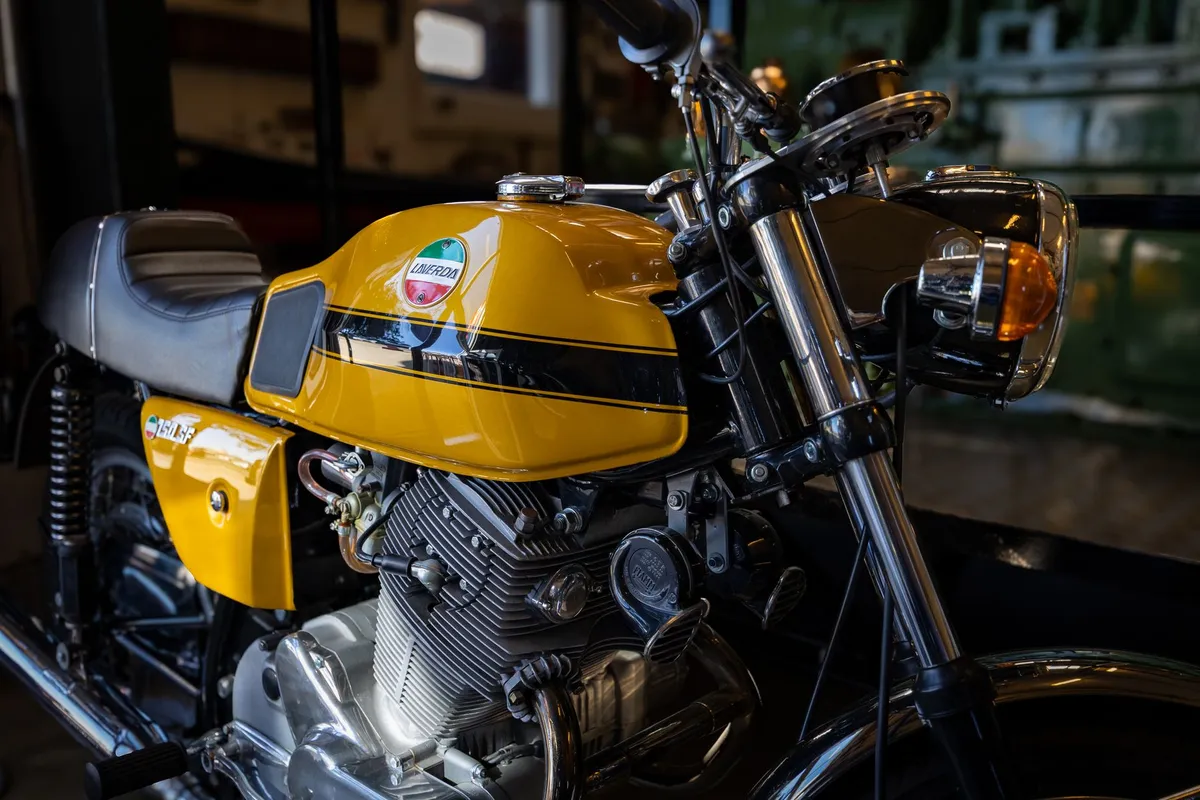
Used motorcycle valuation usually starts with a pricing guide — Kelley Blue Book or J.D. Power's motorcycle guide — which estimates a number from make, model, and year. That number is a reasonable starting point. It is not the final word, because a pricing guide has never actually seen your motorcycle.
A motorcycle has nowhere to hide its wear. A car can disguise a rough year under a hood; a bike just wears it on its paint.
Where to Start: Pricing Guide Basics
Kelley Blue Book, J.D. Power's motorcycle guide (formerly NADA Guides), and marketplace tools like Cycle Trader all build their numbers from dealer transactions, auction results, and manufacturer data, then sort into tiers — typically something like low retail, average retail, and MSRP-adjusted new pricing. Private-sale and trade-in values are usually listed separately, since a dealer's offer already factors in their own resale costs.
Pricing guides handle mileage the same way for every motorcycle, which is a little like judging every book by a cover nobody actually reads.
What Actually Moves the Number
- Make and model. Desirable brands hold resale value more consistently than the rest of the market.
- Age. New motorcycles commonly lose somewhere around 20% to 30% of their value in the first year, broadly similar to a car's early depreciation curve.
- Condition. Paint, chrome, seat wear, and overall upkeep carry more weight for a bike than they do for a daily-driver car.
- Mileage. It still matters, but generally less than for a car — motorcycles accumulate miles more slowly, and visible condition often tells more of the story than the odometer alone.
- Modifications. Can add value to the right buyer or shrink your buyer pool entirely. Pricing guides have exactly one opinion on this: none.
We will absolutely notice if the exhaust isn't stock. We will try to be professional about it. Results vary.
The Salvage Title Problem
A salvage title changes the math more than almost anything else on this list. Harley-Davidson Insurance puts the typical hit at 20% to 40% off clean-title value, and notes that a salvage-title bike can't be legally registered or ridden until it's repaired and recertified with a rebuilt title — at which point insurance gets harder to find and more expensive once you do.
A salvage title doesn't come off with a good coat of paint. Pricing guides know this. The bike just has to live with it.
If your motorcycle was declared a total loss rather than repaired, that's a related but different process — see our guide on total loss appraisals for how that works.
Why Pricing Guides Miss the Mark on Motorcycles
A pricing guide is built from averages across thousands of sales, which is exactly why it struggles with the details that make one specific bike different from the next: aftermarket parts, a documented maintenance history, a salvage title repaired to a genuinely high standard, or a model with a small enough production run that there simply aren't many comparable sales to average in the first place.
This isn't Easy Rider. Nobody's valuing your bike based on vibes and a soundtrack — but a generic guide isn't much closer, it's just averaging instead.
Private Sale vs. Retail Value
Private sale value and trade-in value are the same bike wearing two different price tags, and only one of them is being polite about it. A dealer trade-in offer typically runs noticeably below a private-party sale price — commonly cited figures put a private sale a thousand to two thousand dollars below average retail guide pricing, though that gap moves with local demand and how quickly you need to sell.
When to Get an Independent Appraisal
A pricing guide is usually enough for a quick gut check on an ordinary used bike. A motorcycle appraisal earns its cost when the guide's generic number and your bike's real condition are likely to disagree: a salvage or rebuilt title, heavy modifications, a rare or collector model, or any situation where the number has to hold up for insurance, an estate, or a dispute — not just satisfy your own curiosity.
Here's the one opinion I'll hand you: a motorcycle that's lost 20 to 40 percent of its value to a salvage title is exactly the kind of bike where a guide's flat deduction and your bike's actual repaired condition can disagree by a lot — and that gap is worth paying an appraiser to close, rather than splitting the difference and hoping.
An appraiser who gets a little too interested in a well-kept maintenance log is doing the job correctly. (A pricing guide has never once asked to see one. We always ask.)
How to Get Your Motorcycle Appraised
Send us your bike's details, photos, mileage, and any documentation — title status, maintenance records, modification list. We review it remotely in most cases, in person when the situation calls for it, and compare it against current market listings instead of a flat guide number. Appraisers accredited through the American Society of Appraisers need five years of documented experience before accreditation — the written report you get back is built to hold up, not just sound confident.
Request an appraisal to get started, or browse more guides like this on the blog.
Tell us the mileage, tell us the mods, tell us about the salvage title if there is one — especially if there is one — and we'll tell you what the bike is actually worth, not just what a guide estimates.
Frequently Asked Questions
What is used motorcycle valuation?
It's the process of figuring out what a specific used motorcycle is actually worth, usually starting from a pricing guide's estimate (Kelley Blue Book, J.D. Power) and adjusting for the bike's real condition, mileage, modifications, and title history.
How much value does a motorcycle lose in the first year?
Industry estimates commonly put first-year depreciation on a new motorcycle at around 20% to 30% of its value, similar to new-car depreciation curves, though the exact number varies by brand and model.
How does mileage affect a motorcycle's value compared to a car?
It generally matters less. Motorcycles accumulate miles more slowly than cars and tend to show wear through visible condition — paint, chrome, seat, chain — more than through odometer numbers alone, so two bikes with similar mileage can be worth noticeably different amounts.
How much does a salvage title lower a motorcycle's value?
Commonly cited industry figures put the discount around 20% to 40% off the clean-title value, though the real number for a specific bike depends on the damage, the quality of the repair, and how well it's documented.
What's the difference between trade-in value and private sale value?
Trade-in value is what a dealer offers, factoring in their own resale costs and margin. Private sale value is typically higher, since you're selling directly without a dealer markup absorbing part of the price. Pricing guides usually list both separately.
When should I get an independent motorcycle appraisal instead of using a pricing guide?
When the pricing guide's generic estimate and your bike's actual condition are likely to disagree — a salvage or rebuilt title, significant modifications, a rare or collector model, or when the number needs to hold up for insurance, an estate, or a dispute rather than just curiosity.
Do modifications increase a motorcycle's value?
Sometimes, sometimes not — it depends entirely on the buyer. Quality performance or comfort upgrades can add value to the right buyer, but heavy customization can also shrink your pool of interested buyers. Pricing guides generally don't account for modifications at all.