Which Classic Cars Actually Appreciate in Value — and Why Most Don’t
By Auto Appraisal Pros Team · October 21, 2026 · 10 min read
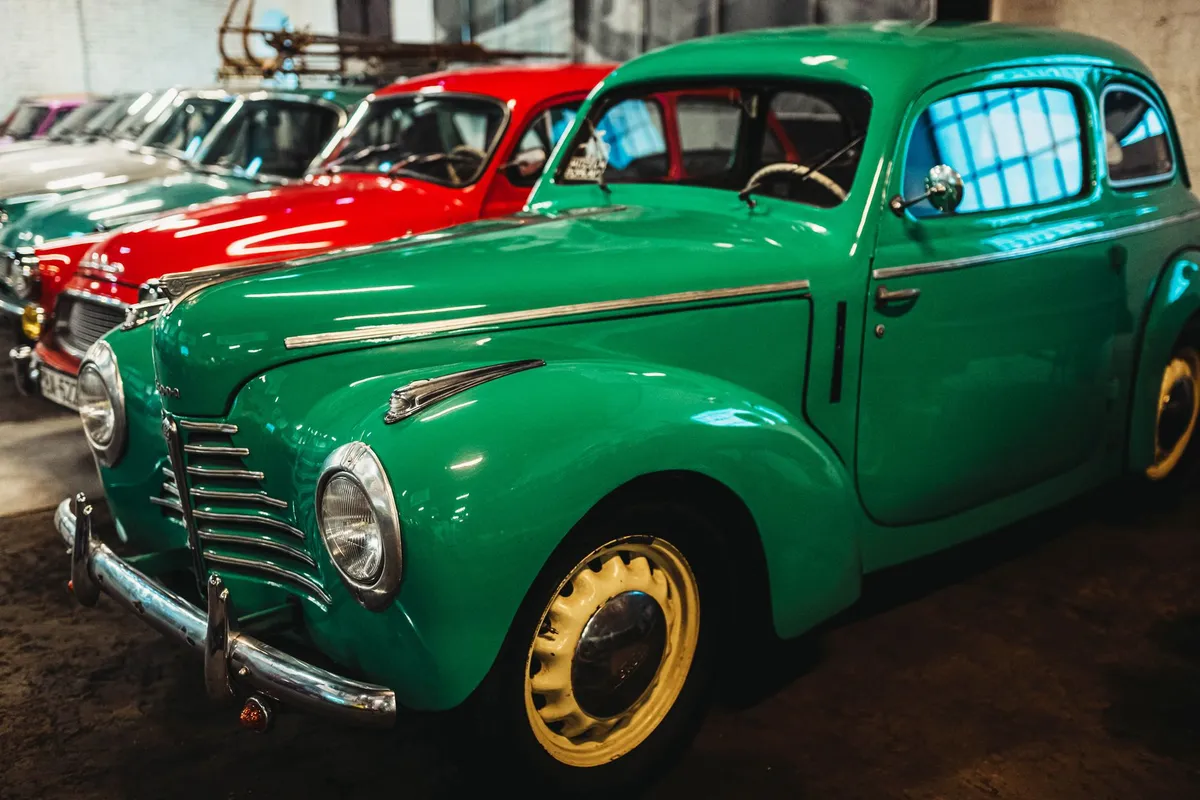
Best classic car appreciation comes down to four things: rarity, documented provenance, originality, and condition — not age by itself. A 60-year-old sedan with a documentation gap and a repainted body is not an appreciating asset just because it's old. A rare, numbers-matching example with a complete ownership trail usually is, and the gap between those two cars can be six figures on paper and the entire difference in real life.
The short version: most classic cars don't appreciate at all, the ones that do share a specific set of traits, and documentation is the single most underrated lever an owner actually controls.
The Short Version
- Rarity, documented provenance, originality, and condition drive appreciation — age alone doesn't.
- Pre-1973 American muscle, air-cooled Porsches, and certain Japanese classics have held up better than most segments.
- Most classics depreciate or sit flat; appreciation is the exception, not the rule.
- A documentation gap is a red flag that suppresses value, even on an otherwise desirable car.
- Collectible vehicles are taxed differently than most investments — up to a 28% capital gains rate.
What Actually Drives Appreciation
Four factors show up consistently in classic cars that have genuinely gained value over time:
- Rarity — low original production numbers, or a low surviving count today regardless of how many were built.
- Documented provenance — a verifiable ownership chain, service records, and original paperwork from new.
- Originality — numbers-matching engine and drivetrain, factory-correct components, and an honest (not over-restored) example.
- Condition — not just cosmetic, but mechanical soundness and the absence of rust in structural areas.
Cultural significance matters too, but it tends to amplify the other four rather than substitute for them. A culturally important model with a documentation gap still sells for less than an equally important model with a clean paper trail.
The Segments That Tend to Hold Up
Collector market analysis consistently points to a handful of segments as the more reliable holders of value:
- Pre-1973 American muscle — the cutoff matters here; emissions-era cars from the mid-1970s onward generally carry less collector premium than the cars that preceded the regulatory changes that reshaped engine output industry-wide.
- Air-cooled Porsche 911s — production ended in 1998, which puts a hard ceiling on supply that water-cooled generations don't share.
- 1990s Japanese classics — cars like the Nissan Skyline GT-R and Toyota Supra have moved from enthusiast curiosities to recognized collectibles as their original buyers age into the market with real purchasing power, a generational shift that's reshaped which cars get taken seriously.
- Low-production European sports cars — scarcity by original build number, rather than by attrition, tends to be the more durable kind.
That said, segment performance shifts. The broader collector car market has cooled meaningfully from its 2021–2022 peak across most categories, which is itself a useful reminder: "this segment has historically appreciated" is not a guarantee it will keep doing so on any particular timeline. Past performance in a market this illiquid and thinly traded is a weaker signal than it is in public markets, where prices update by the second instead of by the auction result.
Why Most Classics Don't Appreciate
Here's the one opinion I'll hand you: the overwhelming majority of cars people call "classics" are not investments, and treating them like one is how owners end up disappointed at sale time. We've covered what actually separates a classic from an antique before, and age-based category alone was never the point — plenty of 40-year-old cars are simply old used cars with a nostalgia premium that fades the moment the current wave of buyers ages out of the market.
A common model, built in large numbers, in average condition, with incomplete records, is competing against every other similar example for sale — which is a buyer's market, not a seller's one. Mass-produced cars with strong survival rates rarely see meaningful appreciation precisely because supply never got scarce enough to matter.
Condition works against most cars too. Decades of daily use, sun exposure, amateur repairs, and inconsistent storage take a real toll, and the cost to bring a rough example back to investment-grade condition frequently exceeds what the finished car is actually worth. That math — restoration cost versus finished value — is the single most common reason a seemingly promising classic never turns a profit, and it's worth running before buying, not after.
Documentation Is Half the Value
The clearest illustration of how seriously documentation is taken at the high end of the market is the National Historic Vehicle Register, maintained in partnership with the Library of Congress's Historic American Engineering Record. Vehicles entered into the register undergo the same documentation standard as nationally significant structures: written histories, full photographic records, and precision laser scanning — all archived permanently. That's an extreme version of a principle that applies at every level of the hobby: paperwork and verification are not paperwork for its own sake, they're part of what you're actually buying.
A gap in ownership history, missing service records, or an unexplained repaint doesn't just make a buyer nervous — it removes the ability to confirm the car is what it's claimed to be, and buyers and appraisers both price that uncertainty in as a discount.
In practice, the documentation that matters most is less exotic than laser scanning: original window stickers, build sheets, factory invoices, dated service receipts, period photographs, and a chain of titles with no unexplained gaps. None of it is difficult to keep. Almost none of it gets kept consistently, which is exactly why the cars that have it stand out from the ones that don't.
The Tax Bill Nobody Mentions
Appreciation math that stops at the sale price is incomplete. The IRS classifies collectible vehicles under a specific capital gains category: "net capital gains from selling collectibles are taxed at a maximum 28% rate" — notably higher than the 0%, 15%, or 20% long-term rates that apply to stocks and most other investment assets. A classic car that gained $50,000 in value doesn't net the same after-tax return as $50,000 in stock gains, and that difference is worth factoring in before anyone calls a classic car purchase an investment in the same breath as an index fund.
We walked through the related selling mechanics — auction fees, documentation, and this same tax treatment — in more detail in how to sell a classic car without leaving money on the table.
Holding period matters here too, the same way it does with any other asset. A collectible sold within a year of purchase is taxed as a short-term gain at ordinary income rates, which can run higher than the 28% collectibles rate itself depending on your bracket. Combined with ownership costs — insurance, storage, and upkeep — the real after-tax, after-expense return on an appreciating classic is often meaningfully lower than the headline sale-price gain suggests.
Protecting the Number You Paid For
None of the appreciation drivers above matter if the car isn't insured for what it's actually worth. A standard auto policy values a classic the way it values a daily driver — on depreciated market averages a pricing guide has no way to adjust for rarity or condition. It's a strange outcome: an owner does the work to buy a genuinely appreciating car, documents it properly, and then insures it on a policy built for a car that loses value every year by design. We've covered why agreed value coverage matters for exactly this reason, and it starts with a documented appraisal, verified against the American Society of Appraisers' personal property standards rather than a guess.
Before any of that, a pre-purchase inspection on a prospective investment-grade classic is non-negotiable — we've built a real pre-purchase inspection checklist that covers originality and structural condition, the two items a casual look in a parking lot will never catch.
A short gut-check before calling any classic purchase an investment: Is the model genuinely scarce, or just old? Is the ownership and service history complete, or are there gaps nobody can explain? Does the restoration or repair cost, if any is needed, actually pencil out against realistic finished value? And is the insurance set up to pay what the car is actually worth, or what a standard policy assumes a used vehicle of that age is worth? A "no" on any of those is worth resolving before the purchase, not after.
How to Get Your Classic Appraised
Whether you're insuring an appreciating classic, settling an estate, or deciding whether a prospective purchase actually qualifies as one, send us the details — documentation, modifications, and condition — and we'll build a written classic car appraisal backed by real comparable sales, not a guess based on age alone.
Request an appraisal to get started, or browse more guides like this on the blog.
Plenty of old cars are just old cars. We can tell you, honestly, which category yours is in.
Frequently Asked Questions
Do all classic cars appreciate in value?
No. Most don’t. Appreciation is concentrated in specific segments — rare, documented, well-preserved examples of culturally significant models — while the typical classic depreciates like any other used car or holds roughly flat at best.
What makes a classic car a good investment?
Rarity, documented ownership history, originality (numbers-matching components), and condition are the four factors that consistently show up in cars that appreciate. A common model in average condition with no documented history rarely qualifies, regardless of age.
Does documentation really affect a classic car’s value?
Significantly. A complete, verifiable ownership and service history supports a higher number than an identical car with a documentation gap — gaps read as a red flag to buyers and appraisers alike, since there’s no way to rule out undisclosed damage or a parts swap.
How is a classic car taxed when it appreciates?
The IRS treats collectible vehicles differently than typical capital assets. Net gains from selling a collectible are taxed at a maximum 28% rate, higher than the standard long-term capital gains rates that apply to most other investments.
How often should I get my appreciating classic reappraised?
Most insurers want a reappraisal every two to five years to keep an agreed value policy current, and sooner after a major restoration. A number that was accurate five years ago may understate — or overstate — what the car is worth today.
Is a pre-purchase inspection worth it on a potential investment classic?
Yes, before any appreciation math matters. A documented mechanical and originality inspection from a specialist catches the kind of hidden issues that can turn an apparent investment into an expensive repair bill.