How to Sell a Classic Car Without Leaving Money on the Table
By Auto Appraisal Pros Team · October 12, 2026 · 10 min read
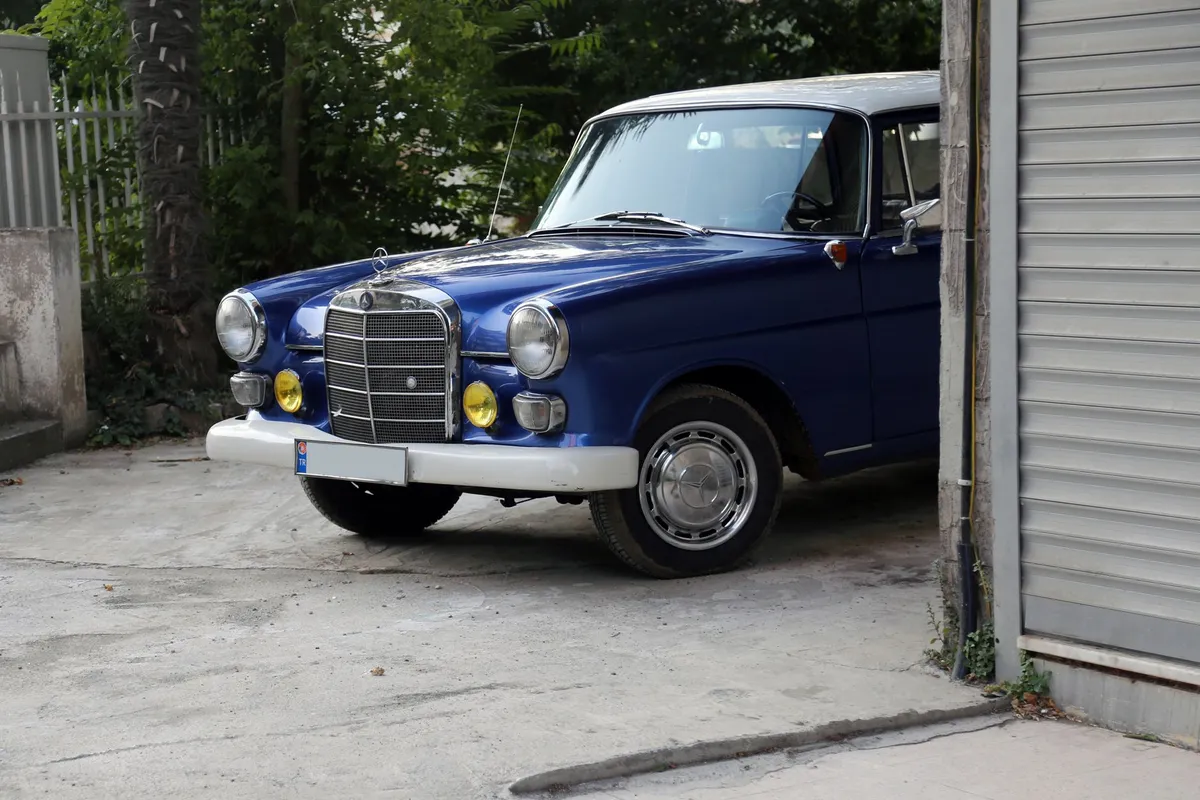
Selling a classic car starts with a documented valuation, not a listing. Every decision after that — your asking price, whether an auction reserve makes sense, what you owe the IRS — depends on having a real number first, not a guess based on what a similar car sold for on a forum three years ago.
The short version: most guides jump straight to photography and listing copy. Pricing gets a paragraph. We're doing this backwards on purpose, because pricing is the part that actually determines whether you leave money on the table.
The Short Version
- Get a documented valuation before you set a price or a reserve.
- Gather title, bill of sale, service and restoration records before you list anything.
- Auctions can produce higher hammer prices, but commonly cost 5% to 10% in fees; private sales skip the fee but take longer.
- Gains over your documented cost basis are taxed at up to 28% as a collectible — keep records accordingly.
Start With a Real Number, Not a Guess
A price pulled from a forum thread or a single online listing isn't a valuation — it's one data point dressed up as a conclusion. A real number comes from researching actual comparable sales for the same make, model, year, and condition, then weighing originality, documentation, and rarity on top of that baseline.
Here's the one opinion I'll hand you: the sellers who end up disappointed almost always skipped this step, not the photography step. A beautifully photographed car priced $8,000 over what the market will actually pay still sits unsold — the camera never was the problem.
Get the Paperwork in Order
- The title, free of liens or with a lien release ready to go.
- A bill of sale noting odometer reading, sale price, date, and as-is condition.
- Service records, restoration receipts, and ownership history — the more complete, the better it supports your price.
- A written appraisal, which does double duty: it backs up your asking price to a buyer, and documents your cost basis for the IRS.
A thin folder makes every buyer negotiate harder, because an unverified history reads as a hidden problem even when there isn't one. A thick folder does some of the selling for you before a buyer even test-drives the car.
Preparation and Photos
Minor detailing and small mechanical fixes are usually worth the cost; a full repaint rarely pays for itself in the sale price. Photograph the car in open shade or under an overcast sky, cover the exterior, interior, engine bay, trunk, and undercarriage, and shoot more than you think you need — a listing with ten honest photos outperforms one with three flattering ones. Buyers pay for condition, originality, rarity, and documentation. They don't pay for sentiment, however earned it is.
Auction vs. Private Sale
| Auction | Private Sale | |
|---|---|---|
| Fees | Commonly 5%–10% of final price | None, beyond your own marketing costs |
| Hammer price potential | Can run higher via competitive bidding | Capped by what one buyer is willing to pay |
| Timeline | Fixed sale date | Open-ended, sometimes slower |
A reserve price protects your floor, but it isn't revealed to bidders, so it doesn't make them bid higher — it only stops the car from selling below a number you set. A well-researched reserve based on real comparables matters far more than picking a high number and hoping the room agrees with you.
The Tax Question Nobody Mentions Until It's Too Late
The IRS taxes net capital gains from selling collectibles — which includes classic cars — at a maximum rate of 28%. That's notably higher than the standard long-term capital gains rates most people expect, and it's calculated against your documented cost basis: what you paid, plus restoration costs you can show receipts for, minus the cost of selling.
No receipts, no deductions. This is the quiet reason a written appraisal and a full records folder pay for themselves twice: once at the negotiating table, and again at tax time.
Closing the Sale Safely
Treat a high-value classic car sale the way you'd treat any large transaction: verified funds before you hand over keys, a signed bill of sale on the spot, and the title transfer handled the same day if at all possible. A buyer with a good story for why the payment needs to happen later, off-platform, or in an unusual method is giving you useful information — take it seriously.
How to Get Your Valuation Started
Send us your classic car's details — year, condition, documentation, and restoration history. We research real comparable sales and provide a written appraisal you can use to set your asking price, back up an auction reserve, and document your cost basis before the IRS asks.
Request an appraisal to get started, or browse more guides like this on the blog.
Tell us about the car, send us the history, and we'll send back a number worth building your whole sale around — the part every other guide tells you to figure out on your own.
Frequently Asked Questions
What’s the first step in selling a classic car?
Getting a documented valuation — not listing it and seeing what offers come in. Every decision after that, from the asking price to whether an auction reserve makes sense, depends on having a real number first.
Is it better to sell a classic car at auction or privately?
It depends on the car and the fees. No-reserve auctions can produce higher hammer prices through competitive bidding, but sellers commonly pay 5% to 10% of the final price in auction fees. A private sale avoids that commission, which can mean more money in your pocket even at a lower headline sale price.
Do I have to pay taxes when I sell a classic car?
If you sell for more than your documented cost basis, yes — the IRS taxes net gains from collectibles, which includes classic cars, at a maximum rate of 28%. That’s notably higher than standard long-term capital gains rates, which is exactly why it catches people off guard.
What documentation do I need to sell a classic car?
The title, a bill of sale noting the odometer reading, sale price, and date, service and restoration records if you have them, and ideally a written appraisal to back up your asking price and establish your cost basis for tax purposes.
Does a reserve price get me a higher sale price at auction?
Not necessarily. A reserve isn’t revealed to bidders, so it doesn’t influence how aggressively they bid — it only protects you from selling below your floor. A well-researched reserve based on real comparable sales matters more than setting it high and hoping.
How do I figure out what my classic car is actually worth?
Research recent comparable sales for the same make, model, year, and condition, then weigh originality, documentation, and rarity on top of that baseline. For anything beyond a rough estimate, a professional appraisal documents the number in a way a buyer, an auction house, or the IRS can’t easily dispute.