The Pre-Purchase Inspection Checklist: What to Actually Check Before You Buy
By Auto Appraisal Pros Team · October 14, 2026 · 11 min read
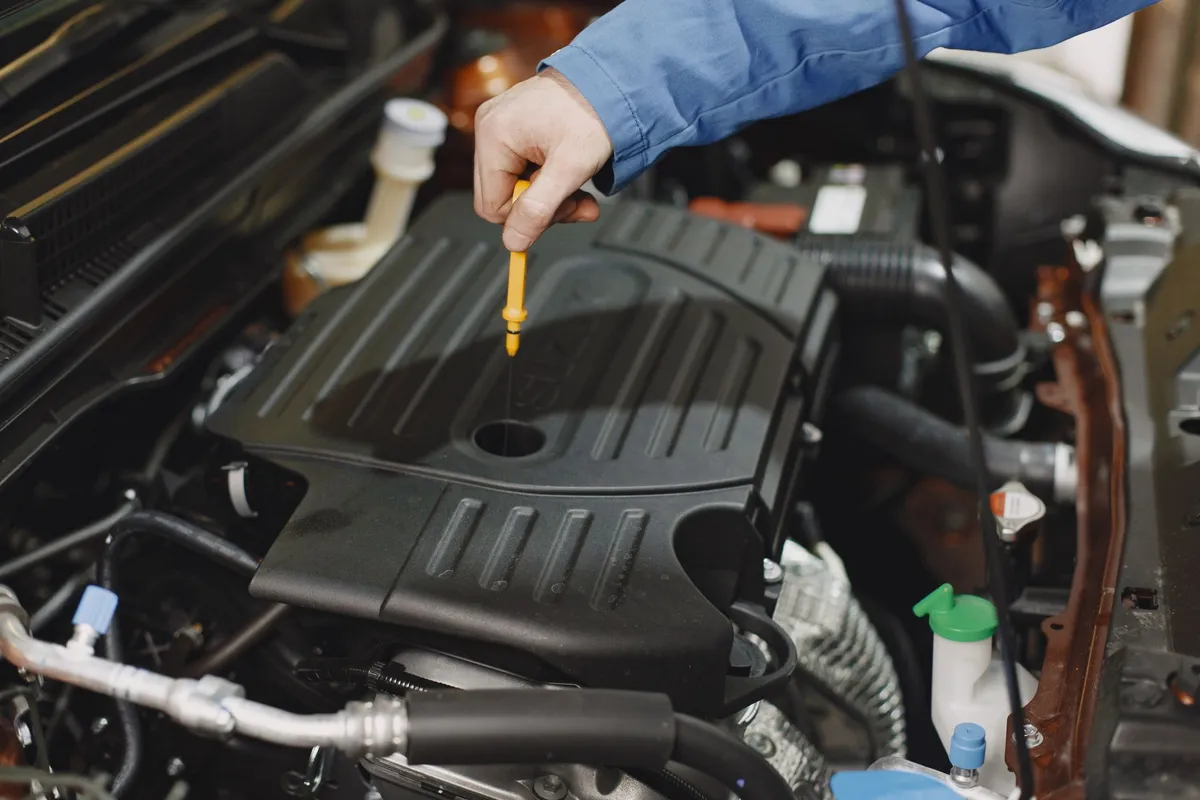
A real pre-purchase inspection checklist covers six areas: exterior, tires and wheels, underbody, engine bay, interior and electronics, and the test drive. Walk through all six before you hand over money, and you'll catch most of what's obvious — the rest is exactly why a qualified technician's inspection still matters.
The short version: this checklist is the thing most “how to buy a used car” guides promise and then bury at the bottom. Here it is, up front.
None of this is secret knowledge — the Car Care Council, a nonprofit dedicated to consumer vehicle education, publishes similar maintenance fundamentals year round. The hard part isn't knowing what to check. It's actually doing it before you're standing in a driveway with a seller who's ready to make a deal.
The Short Version
- Six areas to check: exterior, tires, underbody, engine bay, interior, test drive.
- Ask for maintenance records and a vehicle history report before you inspect, not after.
- A visual checklist catches the obvious. A qualified technician catches what the visual check can't.
- A specific repair estimate is a far stronger negotiating tool than a general complaint.
Before You Touch the Car
Ask the seller directly, and pay attention to how specific the answers are:
- Do you have maintenance records?
- Has the car been in an accident, or had any major repairs?
- Are there any known mechanical issues right now?
- Why are you selling it?
- Is the title clean?
You can check title, salvage, and brand history yourself through the National Motor Vehicle Title Information System before you even schedule the inspection — a salvage title or a reported accident changes what you're actually looking for once you're standing in front of the car.
Exterior
- Body panels for dents, scratches, and rust, especially around wheel wells and the lower doors.
- Paint for color mismatches or overspray, which can indicate prior repair work.
- Panel gaps for consistent width — uneven gaps can point to a past collision.
- Windshield and glass for cracks, chips, and pitting.
Tires and Wheels
- Tread depth — 4/32 of an inch is a reasonable minimum to check for on a used purchase.
- Even wear across each tire; uneven wear can point to an alignment or suspension problem.
- Matching tires on each axle, and a manufacture date that isn't unusually old regardless of tread remaining.
- Sidewalls for cracks or bulges.
Underbody
- Fluid leaks on the ground or pooling underneath.
- Corrosion or rust on the frame and undercarriage.
- Suspension components for visible wear or damage.
- Exhaust system for rust-through or loose mounting.
Engine Bay
- Oil, coolant, transmission, and brake fluid — levels and color.
- Belts and hoses for cracking or fraying.
- Battery terminals for corrosion.
- General cleanliness — an engine bay that's suspiciously spotless can be hiding a leak as easily as a dirty one can be revealing it.
We will absolutely judge an engine bay that's been power-washed the morning of the sale. Not harshly. Just thoroughly.
Interior and Electronics
- Wear on seats, carpets, and armrests relative to the mileage claimed.
- Every electronic feature — windows, locks, infotainment, climate control, warning lights.
- Odor — smoke and mildew are two of the hardest things to fully remove from a cabin.
- Dashboard warning lights with the key on and the engine running.
The Test Drive
- Cold start, if possible — some issues only show up before the engine warms up.
- Braking — straight-line stops, no pulling or grinding.
- Acceleration and shifting, including how the transmission handles hills if you can find one.
- Steering and handling at both low and highway speed.
- Unusual noises at idle, acceleration, and braking.
What a Checklist Can't Do
Here's the one opinion I'll hand you: a checklist is genuinely useful and genuinely limited at the same time, and most guides only admit the first half. A visual walkthrough catches a cracked belt. It doesn't catch internal engine wear, a transmission on its way out, or frame damage hidden behind a clean repaint — the things a qualified technician's inspection exists specifically to find.
There's also a cost-benefit question worth being honest about. A professional pre-purchase inspection typically runs somewhere in the low hundreds of dollars, which feels optional on a $6,000 commuter car and feels obviously worthwhile on anything approaching five figures. The checklist above is free and catches a real share of problems either way — treat the professional inspection as the step you take once the checklist clears, not a replacement for running it yourself first.
An inspection and an appraisal also answer two different questions — condition versus value — and a car can pass inspection cleanly while still being priced wrong for what it actually is.
How to Get a Professional Inspection or Appraisal
If the checklist turns up something specific, or the car is priced in a way that needs a documented number behind it, send us the details. We research real comparable sales and provide a written appraisal you can use to negotiate or confirm you're paying a fair price.
Request an appraisal to get started, or browse more guides like this on the blog.
Run the checklist, send us what you found, and we'll tell you whether the price still makes sense — or exactly how much it shouldn't.
Frequently Asked Questions
Can I do a pre-purchase inspection myself?
A visual walkthrough using a checklist like this one is worth doing yourself — it catches obvious problems and helps you ask better questions. It’s not a substitute for a qualified technician’s inspection, which can catch issues like internal engine wear or hidden frame damage that a visual check alone can’t.
What questions should I ask the seller before inspecting a used car?
Ask about maintenance history and whether records exist, any accidents or damage, known mechanical issues, why they’re selling, and whether the title is clean. Specific answers are a good sign; vague ones are worth following up on.
Is a pre-purchase inspection the same as an appraisal?
No. An inspection checks mechanical and structural condition — what’s broken or at risk. An appraisal answers a different question: what the car is actually worth. See our guide on pre-purchase inspection vs. appraisal for the full distinction.
How much tire tread depth is safe on a used car?
Most sources point to 4/32 of an inch as a reasonable minimum to check for on a used car purchase, with replacement typically recommended well before tires reach the legal minimum. Uneven wear across the tread is also worth checking, since it can point to alignment or suspension issues beyond the tire itself.
Should I get a vehicle history report before or after the inspection?
Before, if possible — a history report showing a prior accident or salvage title changes what you’re looking for during the physical inspection, and may change whether the inspection is worth scheduling at all.
What should I do if the inspection finds a problem?
Get a repair estimate for anything significant before you negotiate — a specific dollar figure is a far stronger negotiating position than a general objection. For anything affecting the car’s value beyond repair cost, an independent appraisal documents exactly how much the issue is worth in the price.