How Long Does a Car Inspection Take? A Breakdown by Inspection Type
By Auto Appraisal Pros Team · October 20, 2026 · 8 min read
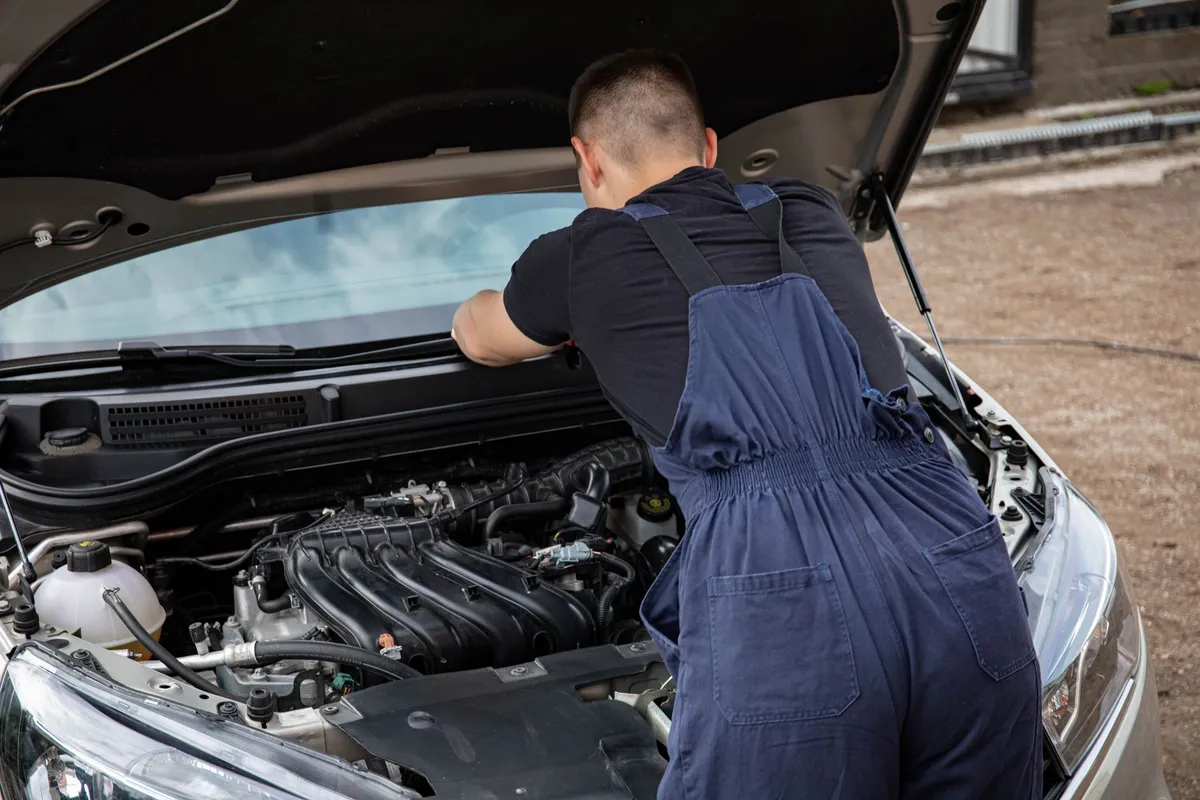
A basic safety inspection takes 30 minutes to an hour. An emissions test runs 15 to 30 minutes. A pre-purchase inspection takes 1 to 2 hours, sometimes longer. Which one applies to you depends entirely on what's being checked — a state compliance box or the vehicle's actual condition before you hand over money.
The short version: the type of inspection, not the shop, is what decides how long you'll be there.
The Short Version
- Safety inspections: 30 minutes to an hour.
- Emissions tests: 15 to 30 minutes.
- Pre-purchase inspections: 1 to 2 hours, longer on complex or modified vehicles.
- Walk-ins during busy periods add significant wait time on top of the actual inspection.
- An inspection and an appraisal answer different questions — one checks condition, the other sets value.
Duration by Inspection Type
"Car inspection" covers several different services, and lumping them together is where most of the confusion about timing comes from.
- State safety inspection — 30 minutes to an hour. A technician checks lights, brakes, tires, steering, and a handful of other required items against a fixed checklist.
- Emissions test — 15 to 30 minutes, often faster than a full safety inspection since it's largely automated. California's Smog Check is a good example: the state's Bureau of Automotive Repair puts the inspection itself at about 30 minutes once the vehicle is on the machine.
- Combined safety and emissions — 45 minutes to 1.5 hours, run back to back at the same shop.
- Pre-purchase inspection — 1 to 2 hours. A mechanic is evaluating the whole vehicle, not checking items off a state-mandated list.
- Dealership trade-in inspection — often faster than any of the above, because it's built to answer one narrow question for the dealer's own purposes, not to fully document condition. We've covered how that trade-in number actually gets calculated if you want the longer version.
What Stretches the Clock
The inspection itself is rarely what eats the most time — the surrounding logistics usually are. A walk-in during a busy season can mean an hour or more of waiting before a technician even starts, on top of the actual inspection time. Booking ahead is the single biggest lever you control.
Vehicle condition matters too. If an inspector finds a problem mid-check — a light that doesn't work, a tire below the legal tread depth — documenting it adds time the base estimate doesn't account for. Larger vehicles and modified ones generally take longer than a stock sedan.
State Inspections Vary by State
Not every state requires a periodic vehicle inspection, and the ones that do don't all require the same thing. Texas, for example, requires an annual inspection for registered vehicles, while other states only require emissions testing in specific counties, and some states require neither. Rules like this change over time, too — which is reason enough to check your own state DMV directly rather than go by what a neighboring state does, or what was true a few years ago.
Why a Pre-Purchase Inspection Takes Longer
A state safety inspection is built to answer a narrow question: does this vehicle meet the minimum standard to stay legally on the road. A pre-purchase inspection is built to answer a much bigger one: should you actually buy this specific vehicle, and at what price. That difference in scope is most of why the second one takes roughly double the time of the first.
The Federal Trade Commission's Used Car Rule requires dealers to post a Buyers Guide on every used car for sale, and that guide specifically tells buyers to ask about having the vehicle inspected by an independent mechanic before they buy — not the dealer's own technician. That independence is part of why it takes longer.
On a classic car, the time stretches further still. A real pre-purchase inspection checklist on a collector vehicle covers things a standard used-car check never touches — originality of parts, restoration quality, and rust in places a daily driver would never have it.
When an Inspection Isn't Enough
An inspection — whatever kind — tells you what's broken, what's at risk, and whether a vehicle is roadworthy. It does not tell you what the vehicle is worth. We've written before about the difference between an inspection and an appraisal, and it's worth repeating here: a mechanic's inspection sheet isn't something an insurer or a buyer's lender will accept as a value determination.
Here's the one opinion I'll hand you: paying $100 to $150 for an independent inspection and then skipping a separate valuation on anything worth real money — a classic, an RV, a heavily modified car — is the most common way people end up overpaying on a purchase or underinsured after a loss.
How to Get a Real Valuation
Once your inspection is done — or alongside it — send us the vehicle's details and documentation. We research actual comparable sales and provide a written appraisal that stands up wherever a mechanic's inspection sheet won't: insurance, probate, bankruptcy, or a dispute over a number someone else gave you.
Request an appraisal to get started, or browse more guides like this on the blog.
Your mechanic will tell you if the brakes are good. We'll tell you what the car's actually worth — two different answers, both worth getting.
Frequently Asked Questions
How long does a basic safety inspection take?
Usually 30 minutes to an hour for the inspection itself, though a walk-in during a busy period can mean an hour or more of total wait time on top of that. Booking an appointment instead of walking in is the single biggest thing you control.
How long does an emissions test take?
Typically 15 to 30 minutes. California's Smog Check, for example, usually takes about 30 minutes once the vehicle is on the machine, according to the state's Bureau of Automotive Repair.
How long does a pre-purchase inspection take?
Generally 1 to 2 hours, sometimes longer on a classic, modified, or mechanically complex vehicle. A pre-purchase inspection checks far more than a state safety inspection does, which is most of the time difference.
Does every state require a vehicle inspection?
No. Requirements vary significantly by state — some mandate annual safety inspections, some require emissions testing only in certain counties, and some require neither. Check your state DMV directly, since the rules (and how often they change) differ by state.
Why does a dealership inspection take less time than an independent one?
A dealership's internal inspection is often built around what they need to know to make a trade-in offer, not a full systems check. It can move faster because it's answering a narrower question.
Is a pre-purchase inspection the same as an appraisal?
No. An inspection tells you what's mechanically wrong or at risk of failing. An appraisal uses that condition information, plus real comparable sales, to answer a different question: what the vehicle is actually worth.