Pre-Purchase Inspection vs. Car Appraisal: What's the Difference?
By Auto Appraisal Pros Team · July 30, 2026 · 8 min read
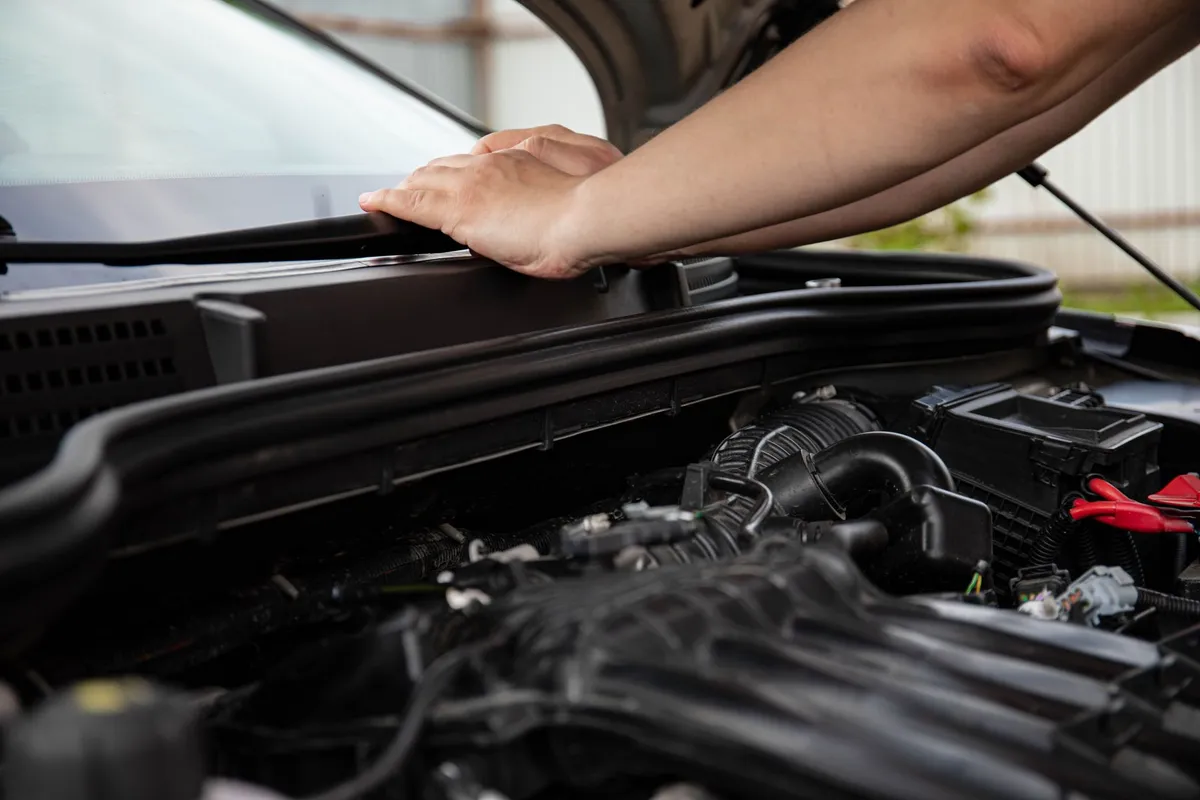
A car appraisal is an independent opinion of what a vehicle is worth. A pre-purchase inspection is a mechanic's opinion of what's wrong with it, or about to be. They get confused constantly because both happen around the same moment — buying a car — but they answer two different questions, and only one of them tells you anything about the price.
Short version: if you want to know whether the car is mechanically sound, that's an inspection. If you want to know whether the asking price matches what the car is actually worth, that's an appraisal. Classic, exotic, and other specialty vehicles are usually the one case where you want both before you sign anything.
What Is a Car Appraisal?
A car appraisal is a documented, independent valuation of a specific vehicle — built from its actual condition, mileage, options, and comparable sales in your local market, not a generic pricing-guide average. It answers one question: what is this particular car worth, right now, in this market. Nothing about the engine, the brakes, or the timing belt enters into it.
A professional car appraisal isn't a formality or a rubber stamp. Appraisers who carry accreditation through the American Society of Appraisers need five years of documented appraisal experience before they're eligible for accreditation, and they get reaccredited every five years after that. That bar exists because an appraisal is meant to hold up somewhere — in a negotiation, an insurance file, an estate — not just sound confident out loud.
Ask an appraiser to diagnose a check-engine light and you'll get a blank look, and rightfully so. An appraisal doesn't care if the light is on. It cares if the price is right — literally.
What Is a Pre-Purchase Inspection?
A pre-purchase inspection is a mechanical checkup performed by a mechanic before you buy a used vehicle. There's no single national standard for what one covers — every shop runs its own checklist — but a thorough inspection typically works through the exterior (paint, glass, rust, alignment), the interior (electronics, upholstery, HVAC), and the mechanical systems (engine, transmission, brakes, suspension, cooling), often finishing with the car up on a lift and a road test. You get a written report of what's wrong, what's wearing out, and roughly what it would cost to fix.
Shops carrying the ASE Blue Seal of Excellence designation require at least 75% of their technicians to hold current ASE certification — a reasonable filter if you're picking a shop for a PPI and have no other way to judge one mechanic against another.
A worn timing belt and an inflated asking price are both quiet problems, right up until they're not. An inspection catches the first kind. It has nothing to say about the second.
The Key Differences at a Glance
| Pre-Purchase Inspection | Car Appraisal | |
|---|---|---|
| Answers | Is anything mechanically wrong with it? | What is it actually worth? |
| Performed by | A mechanic or auto technician | An independent appraiser |
| Looks at | Engine, brakes, suspension, electronics, body | Condition, mileage, options, market comparables |
| You get | A repair-cost estimate and condition report | A written valuation you can negotiate or insure with |
| Best for | Any used car, before you buy it | Confirming price, insurance, financing, or a dispute |
Do You Need Both?
For an ordinary used car at an ordinary price, most buyers get by with just the inspection — it tells you whether the car is a reasonable buy mechanically, and the asking price on a common daily driver is usually easy enough to sanity-check against listings yourself. The math changes once the car is expensive, unusual, or hard to price by eye: a classic, an exotic, a heavily modified vehicle, or anything where you genuinely can't tell if the number on the window is fair.
We've never once seen an appraiser lift a hood and start diagnosing a check-engine light. That's not modesty — it's just not the job. (A mechanic caring deeply about your car's resale comparables would be equally out of place — technically possible, professionally unusual.)
Cost and Timing for Each
Pricing for both varies by region, vehicle, and how thorough you want the report — there's no fixed national rate for either service, so treat any number you see online as a rough starting point rather than a quote. What's more predictable is the time: a basic visual inspection can wrap up in under an hour, while a thorough one — lift, road test, diagnostic checks — commonly runs a few hours, with the written report following within a day or two. An appraisal follows a similar rhythm: most of the work happens off-site researching comparables, so the report typically lands within a couple of business days of the initial review.
Neither one is the part of buying a car you want to rush. Skipping the inspection because the car “seems fine” is the automotive version of deciding the water looks calm enough — right before you find out why the other guy brought a bigger boat.
Classic and Specialty Vehicles Usually Need Both
A classic car pre-purchase inspection isn't the same job as inspecting a five-year-old sedan. Carburetors, older suspension geometry, and parts nobody stocks anymore call for a mechanic who specifically works on that era of vehicle — a general shop's experience doesn't automatically transfer, even a good one.
On the valuation side, standard pricing guides are built from high-volume, late-model sales data, so they consistently misprice a car with low production numbers or a following of collectors who care about matching numbers and factory-correct parts. That's a job for a classic car appraisal, not an online estimate. Between the two, a specialty vehicle purchase is one of the few places where skipping either the inspection or the appraisal is a real, quantifiable risk rather than just extra caution.
Here's the one opinion I'll hand you: credentials are the one part of this decision you shouldn't outsource to a star rating. Ask for the letters after the name — ASA for an appraiser, ASE for a mechanic, whatever the specialty calls for — because both professions gate them behind real requirements: five years of documented experience for ASA accreditation, at least 75% certified staff for an ASE Blue Seal shop. A five-star review takes one sentence to write. Those numbers take years to earn.
How to Get a Car Appraised
The car appraisal process starts the same way regardless of vehicle type: send us the vehicle's details, photos, and any documentation you have — title, maintenance records, options list. We review the vehicle remotely in most cases, in person when the situation calls for it, research comparable sales in your local market, and put together a written valuation you can use to negotiate, insure, finance, or simply settle the question. Appraisals follow the Uniform Standards of Professional Appraisal Practice — the same standards framework Congress recognized back in 1989 — rather than a mechanic's gut feel or a dealer's trade-in number.
If the car in question has already been in an accident rather than just sitting on a lot waiting to be bought, that's a different situation with its own process — see our guide on total loss appraisals for how that works.
Request an appraisal to get started, or browse more guides like this on the blog.
Get the mechanic to tell you what's wrong with it. Get us to tell you what it's worth. Between the two, you'll know a lot more than the person who just kicked the tires and hoped for the best.
Frequently Asked Questions
What is a car appraisal?
A car appraisal is an independent, documented opinion of what a vehicle is actually worth — based on its condition, mileage, options, and comparable sales in your local market, rather than a generic pricing-guide average. It answers a value question, not a mechanical one.
What is a pre-purchase inspection?
A pre-purchase inspection (PPI) is a mechanical checkup performed by a mechanic before you buy a used vehicle. It checks the engine, transmission, brakes, suspension, electrical systems, and body for existing or developing problems, and typically ends with a written report of what's wrong and what it would cost to fix.
Can the same person do a pre-purchase inspection and an appraisal?
Usually not, and that's by design. A pre-purchase inspection needs a mechanic evaluating mechanical condition; an appraisal needs an appraiser researching market comparables and valuation. They're different skill sets that occasionally overlap but aren't interchangeable.
Do I need a pre-purchase inspection or an appraisal when buying a used car?
If you mainly want to know whether the car has hidden mechanical problems, get a pre-purchase inspection. If you mainly want to confirm the asking price is fair for that specific car, get an appraisal. Buying a classic, exotic, or otherwise specialty vehicle is the one case where getting both before you commit is worth the extra step.
How long does a pre-purchase inspection take?
A basic visual inspection can run under an hour. A thorough inspection — one that includes a lift, a road test, and diagnostic checks — commonly takes a few hours, with the written report following within a day or two.
Should I get a pre-purchase inspection on a classic car?
Yes, and it should be done by a mechanic who specifically works on that era or type of vehicle. A classic car's mechanical quirks — carburetors, older suspension geometry, parts nobody stocks anymore — aren't something a general shop necessarily has current experience with, even a good one.