Car Valuation After an Accident: Repair, Diminished Value, or Total Loss?
By Auto Appraisal Pros Team · October 8, 2026 · 9 min read
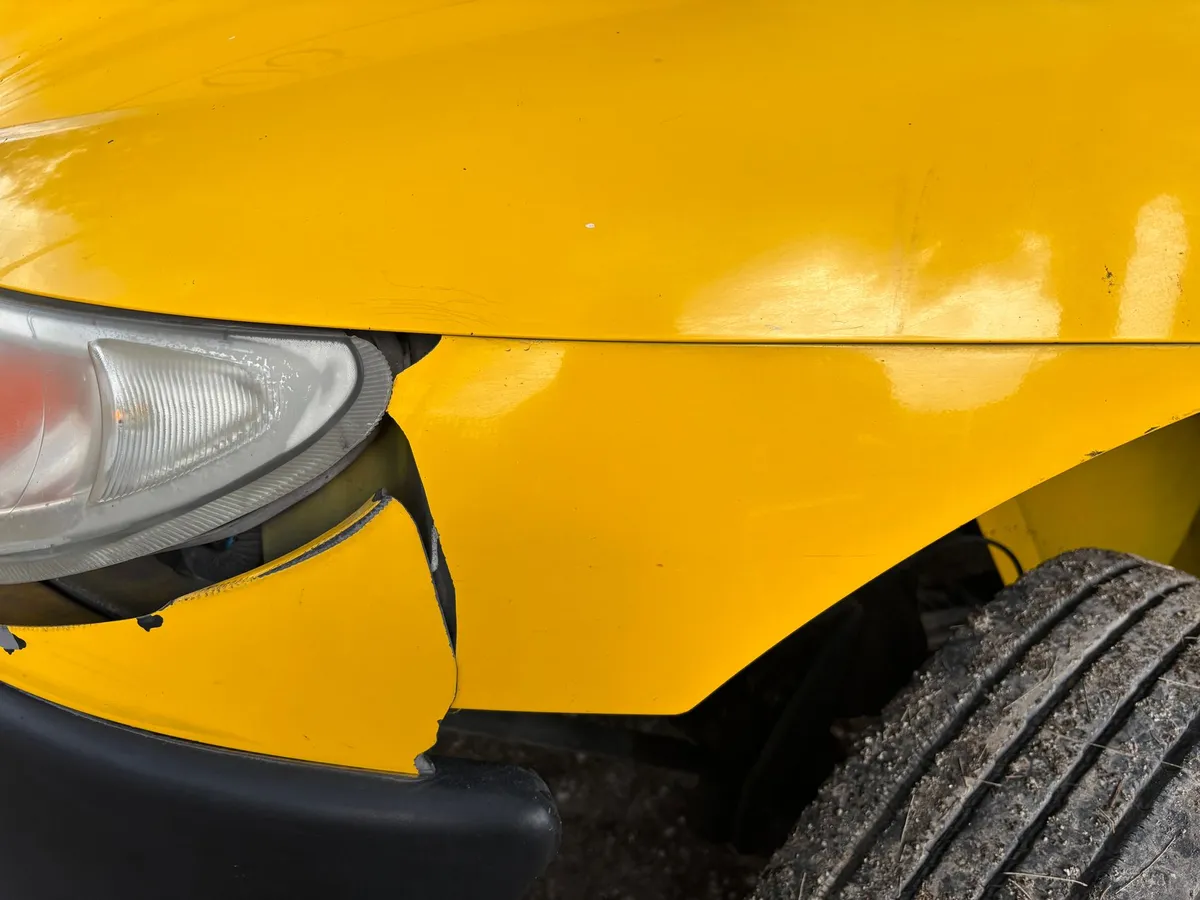
After an accident, your car's valuation falls onto one of three distinct paths: a simple repair with no lasting effect on value, a repair that leaves the car worth less than an identical undamaged car (diminished value), or a total loss, where the car is replaced by a payout instead of repaired. Which path you're on determines everything else — what you're owed, who pays it, and what paperwork actually applies to you.
The short version: most accident-valuation guides jump straight into one of these three paths without ever telling you which one you're actually on. This one starts there.
The Short Version
| Path | What Happens | Value Impact |
|---|---|---|
| Simple repair | Minor damage, repaired, no claim or a small one | Little to none |
| Diminished value | Repaired and kept on the road, but accident is on record | Commonly 10%–30% of pre-accident value |
| Total loss | Repair cost exceeds your state's threshold | Car is replaced by an actual cash value payout |
Path One: Simple Repair, No Claim
Minor cosmetic damage — a scuff, a small dent, a cracked taillight — that gets repaired properly and doesn't involve a reported insurance claim generally doesn't move your car's resale value in any meaningful way. No claim on record usually means no entry on a vehicle history report, which means no diminished value argument for a future buyer to make.
“No claim” doesn't have to mean “no paperwork,” though. Keep the repair receipt and a few photos even for something small. It costs nothing, and it's the difference between “I have proof this was handled correctly” and “I remember it being fine” if a buyer ever asks later.
This is the path most accidents are actually on, even though it's the one that gets the least attention online — nobody writes a guide titled “Your Car Is Basically Fine.” If this is you, you can stop reading here with a clear conscience.
Path Two: Repaired, But Worth Less
Once an accident is significant enough to generate an insurance claim, a repair order, or a reported history, the car can be perfectly repaired and still be worth less than an identical car with a clean history. That gap is diminished value, and it's commonly cited in the 10% to 30% range of pre-accident value, depending on severity and how the repair was handled.
This is the path with the most confusion attached, mostly because it's counterintuitive: the car runs fine, looks fine, passes inspection — and is still worth less. A few things move where in that 10% to 30% range a given car lands: how severe the damage was, whether the repair used factory or aftermarket parts, the car's mileage and age, and whether the damage was cosmetic or structural. A low-mileage car with a structural repair sits at the high end of that range. A high-mileage car with a cosmetic repair on a bumper sits at the low end, sometimes low enough that pursuing a claim isn't worth the time.
Our full guide on diminished value claims covers who qualifies, who pays, and how to file.
Path Three: Total Loss
When repair costs cross your state's total-loss threshold, the insurer stops talking about repairs and starts talking about a settlement. You're no longer being compensated for diminished value — the car itself is gone, replaced by an actual cash value payout, and the title typically gets branded salvage.
You can usually keep the car after a total loss settlement if you want to, though the insurer subtracts the salvage value from your payout and the title carries the salvage brand going forward — which affects insurability and resale. Most people don't keep it, but it's worth knowing the option exists before you've already signed the settlement paperwork.
Here's the one opinion I'll hand you: total loss and diminished value get confused constantly, but they're not two degrees of the same thing — they're two different outcomes with two different paperwork trails. If your car is still yours after the accident, you're on the diminished value path. If it isn't, you're on the total loss path. Nobody is on both at once. Our total loss appraisal guide covers how that payout gets calculated and how to dispute it.
The Threshold That Decides Which Path You're On
Whether a given repair cost lands you on path two or path three depends on a single number: the percentage of your car's value your state uses as the total-loss cutoff. South Carolina, for example, requires a vehicle be declared a total loss once repair costs reach 75% or more of fair market value. Other states set that line anywhere from roughly 60% to 100% — which means the exact same damage, on the exact same car, can be a routine repair in one state and a total loss in another.
We've had the “why is my cousin's identical accident a repair and mine a total loss” conversation more than once. State lines are not a satisfying answer. They are, however, the correct one.
A Quick Way to Check Where You Likely Stand
- Get the body shop's repair estimate, even an informal one. That number is the one being compared against your car's value.
- Get a rough value for your car — a pricing guide estimate is fine for this gut-check, even if it isn't the final number an insurer uses.
- Divide repair cost by value. If that ratio is well under your state's threshold, you're likely headed for path two. Close to or over it, expect path three.
This is a gut check, not a determination — the insurer's own number is the one that actually decides it. But it tells you which conversation to prepare for before you're having it.
How Accident History Follows the Car
Whichever path applies, the accident doesn't just affect value today — it can follow the vehicle through every future sale. You can check a vehicle's title, salvage, and brand history yourself through the National Motor Vehicle Title Information System, the federal database built to catch exactly this kind of record before it catches a future buyer by surprise. If you're the one selling later, assume a buyer will check. (They increasingly do. We checked.)
This is also why the path matters more than the repair quality alone. A flawless repair on path two still carries the accident on the car's record, and a buyer comparing it against a clean-history equivalent will usually offer less — not because the repair was done badly, but because the record says it happened at all. The repair protects the car's function. It doesn't erase the history.
Who Actually Pays, on Each Path
“Who pays” changes depending on which path you're on and whether you caused the accident or someone else did:
- Simple repair. Your own collision coverage, the at-fault driver's liability coverage, or out of pocket, depending on who caused it and what coverage is in play.
- Diminished value. Typically the at-fault driver's insurer — diminished value is a loss their policyholder caused, not something your own insurer generally owes you if you weren't at fault.
- Total loss. Whichever insurer’s coverage applies to the claim — your own collision coverage, or the at-fault driver’s liability coverage — pays the actual cash value settlement.
Filing with the wrong insurer, or assuming your own company owes a diminished value payout it doesn't, is one of the more common ways people lose weeks on a claim that should have taken days.
How to Get Your Vehicle Valued
Not sure which path your accident falls on? Send us the details — photos, the repair estimate or insurer correspondence, and your vehicle's information. We'll tell you plainly which situation applies and, if it's diminished value or a total loss dispute, provide the independent appraisal that backs up the number you're owed.
Request an appraisal to get started, or browse more guides like this on the blog.
Tell us what happened, send us the paperwork, and we'll tell you which of the three conversations you're actually having — then help you have it with a real number behind you.
Frequently Asked Questions
How much value does a car lose after an accident?
It depends entirely on which of the three paths applies. A minor fender-bender repaired properly may cost you little to nothing in resale value. A repaired accident that stays on the vehicle’s history report commonly costs 10% to 30% of pre-accident value. A total loss isn’t a percentage loss at all — the car is gone, replaced by a payout.
When is a car considered a total loss instead of repaired?
When the cost to repair it reaches the percentage of its value your state sets as the threshold. South Carolina, for example, sets that line at 75% of fair market value; other states range from roughly 60% to 100%, which is why identical damage can be a repair in one state and a total loss in another.
Does a car accident always show up on the vehicle history report?
Not always, but often enough that you should assume it will. Insurance claims, salvage titles, and many repair shop records feed into vehicle history databases. A clean-looking repair can still carry a reported accident, which is part of why diminished value is a real, separate loss from the repair itself.
Can I dispute a total loss decision?
Yes. Most policies include an appraisal clause that lets you challenge the total-loss determination or the settlement value with your own independent appraisal, without going to court.
Who pays for diminished value after an accident?
Typically the at-fault driver’s insurer, since diminished value is a loss you experienced because of their policyholder’s accident — not your own insurer, which trips up a lot of people filing their first claim.
Is it worth getting an independent appraisal after a minor accident?
Usually not for a true fender-bender with no lasting effect on value or safety. It becomes worth it once the accident is significant enough to affect resale value, show up on a history report, or trigger a total-loss decision you want to check.