Total Loss Appraisal: How to Get an Independent Value When Your Insurer's Offer Is Too Low
By Auto Appraisal Pros Team · July 20, 2026 · 9 min read
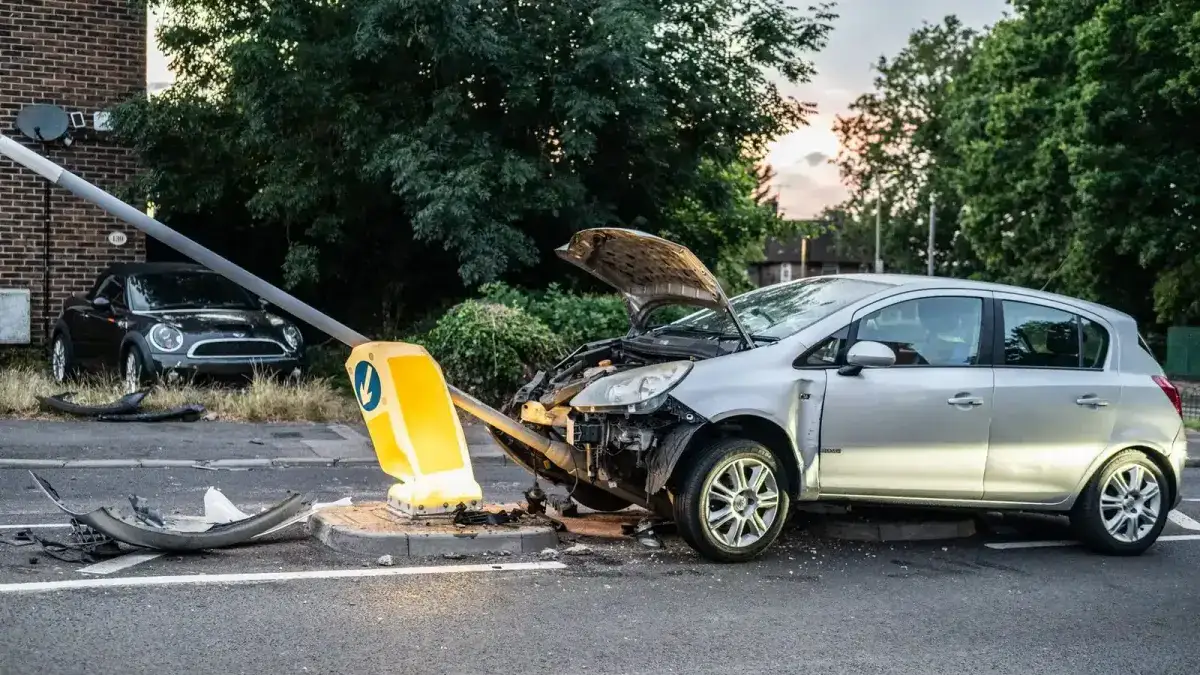
A total loss appraisal is an independent inspection and valuation of your vehicle, used to check or formally dispute an insurer's total-loss settlement offer — usually done remotely from photos and documentation, with an in-person inspection when the claim calls for it. Instead of the number coming from a database search, it comes from someone who actually looked at your car.
You are not required to accept your insurer's first number. Most auto policies include an appraisal clause that lets you invoke your own appraiser, and once you do, the insurer cannot refuse to participate.
Actual cash value is the industry's polite way of saying what a stranger on the internet would have paid for your car five minutes before the accident. It is not sentimental about it, and neither is the database that calculated it.
How Insurers Determine Actual Cash Value
Insurers determine actual cash value by sending your vehicle's details to a valuation service, which searches for comparable vehicles for sale or recently sold near you and adjusts for mileage, condition, options, and any pre-existing damage. The actual cash value of your car is what a similar used car was selling for in your local market right before the loss — not what you paid for it, not what you still owe the lender, and not what a new replacement costs.
The Insurance Information Institute notes that insurers typically start with guides like Kelley Blue Book or NADA, then adjust from there. Those guides are a reference point, not a binding number. State rules shape the math too — the Illinois Department of Insurance notes that deductions for prior collision damage are unlimited, but deductions for wear, missing parts, or rust are capped at $500 — the kind of detail an automated valuation can get wrong on your specific car.
A database search tends to miss the same handful of things on almost every car (we read the entire comparable-listings printout for a living — we have opinions):
- Aftermarket upgrades or factory options that never made it into the listing data.
- Recent maintenance or a new set of tires that a comp search has no way to see.
- Mileage meaningfully lower than the comparables it pulled.
- A search radius wide enough to include cheaper cars from an area where prices simply run lower.
How Long a Total Loss Claim Takes
Most total loss claims settle in two to six weeks from the date of the accident. If you invoke the appraisal clause to dispute the valuation, plan on adding one to three weeks on top of that — more if the two sides can't agree and have to bring in a neutral third appraiser. It's slower than accepting the first offer. That's the trade for a number that reflects your actual car instead of a database guess. If Shawshank taught us anything, it's that a long wait can end in something worth having — an appraisal takes considerably less than nineteen years, but it's the same patience muscle.
Why the First Offer Is Often Low
None of the gaps above are hidden or unusual — they're just what happens when a number comes from a search instead of a set of eyes. Your insurer isn't necessarily acting in bad faith; the tool it used just wasn't built to notice the things that make your specific car worth more than the average comparable.
Here's the one opinion I'll hand you: the speed of that first offer is the tell, not the reassurance. A claim that takes two to six weeks to settle start to finish can still produce a valuation in minutes, because a database doesn't need to see your car to guess at a number — it only slows to a human pace once you ask an actual person to look at it. If your insurer's offer already matches what it would cost to replace the car with something equivalent, you don't need an appraisal. This is for when the numbers don't add up.
We'll admit it: appraisers get a little obsessive about mileage. Ask one about an odometer reading and you may not get your evening back.
The Appraisal Clause: How to Dispute the Offer
Most auto policies include an appraisal clause — the one paragraph in your policy that actually wants to hear your side of the story, a rare quality in insurance paperwork. It lets you challenge the insurer's number without going to court, and once you invoke it, the insurer cannot refuse to participate; it's a contractual obligation, not a favor.
- Reject the offer in writing, and say why — a specific dollar gap or a specific comparable, not just “this feels low.”
- Invoke the appraisal clause in your policy, formally and in writing.
- Each side hires its own appraiser. Yours works for you, not the insurer — that's the point of hiring independently instead of accepting the insurer's preferred vendor.
- If the two appraisers disagree, they select a neutral third appraiser, called an umpire, whose decision is binding.
None of this requires a lawsuit. It's built into the policy you're already paying for. Typically, each side covers its own appraiser's fee, and the umpire's fee gets split down the middle. (Yes, your insurance policy has a built-in mediator. No, almost nobody reads the policy far enough to find it.)
What an Independent Appraisal Includes
An insurance value appraisal from Auto Appraisal Pros starts with a real look at your vehicle — usually from the photos and documentation you send us, with an in-person inspection when the claim calls for it. We document condition, mileage, factory and aftermarket options, and pull our own local market comparables rather than relying on whatever radius the insurer's database defaulted to. A vehicle insurance value appraisal is only as good as the comparables behind it, so we show our work — you get a written report built specifically to support or dispute a settlement number, which you can submit directly to the insurer.
One of our appraisers still calls a service history “the car's diary.” We've stopped correcting him. It's not wrong, exactly.

Paperwork: the last analog holdout in an otherwise digital claim. It remains undefeated.
Total Loss Appraisal vs. Agreed Value Insurance
Total loss is your car's way of throwing in the towel. A total loss appraisal values that towel after the fact, using actual cash value. Agreed value car insurance skips the argument entirely: you and the insurer agree on a fixed payout amount when you buy the policy, before anything happens to the car — you decide what the towel is worth up front. That approach is common for classic and collector vehicles, where standard actual-cash-value tools tend to undervalue a car that doesn't trade like a typical used vehicle.
If that sounds like your situation, our classic and collector car appraisal is the better starting point — it produces the kind of documented valuation an insurer needs to set an agreed value in the first place.
What to Include When You Submit Your Appraisal
A dispute with no paperwork behind it is just a strongly worded feeling. A dispute moves faster when it arrives as a specific package instead. Send the insurer:
- The written appraisal report itself, not just the final number.
- Photos of the vehicle from all angles, plus the interior and odometer.
- Maintenance records and receipts for any recent repairs or upgrades.
- The comparable listings your appraiser used — not just their conclusion.
- A short cover letter that names the appraisal clause specifically and states the dollar gap you're disputing.
Insurers respond to a specific number and a named policy provision faster than to a general complaint that the offer “seems low.”
How to Request a Total Loss Appraisal
Start by getting your insurer's total-loss offer in writing, along with whatever valuation report they used to reach it. Then reach out to us with your vehicle details and a copy of that offer. We'll review the vehicle — remotely in most cases, in person if the claim calls for it — appraise it against current local market data, and send you a written report you can use to negotiate or formally dispute the settlement. The earlier you bring us in — ideally before you've signed anything accepting the insurer's number — the more room there is to negotiate rather than dispute after the fact.
Request an appraisal to get started, or browse more guides like this on the blog.
Send us the offer, send us the car, and we'll send back a number with enough evidence behind it that nobody has to raise their voice. We might also work in a pun about depreciation. Consider that a bonus, not a warning.
Frequently Asked Questions
What is a total loss appraisal?
It's an independent inspection and valuation of your vehicle, used to check or dispute an insurer's total-loss settlement offer. An appraiser documents your car's condition, mileage, and options — usually from photos and records you send in, with an in-person inspection when the claim calls for it — then compares it against real local market data instead of a generic database estimate.
How do insurance companies determine a car's actual cash value?
Insurers send your vehicle's details to a valuation service, which searches for comparable vehicles for sale or recently sold in your area and adjusts for mileage, condition, and options. Some states also cap specific deductions — Illinois, for example, limits deductions for wear, missing parts, or rust to $500, while deductions for prior collision damage are unlimited.
Can an insurance company refuse to do an appraisal once I invoke the clause?
No. Once you formally invoke the appraisal clause in your policy, the insurer is contractually obligated to participate — it isn't optional on their end.
How long does a total loss appraisal take?
Most total loss claims settle in two to six weeks from the date of the accident. Invoking the appraisal clause typically adds one to three weeks on top of that, more if the two appraisers can't agree and need to bring in a neutral umpire.
What's the difference between a total loss appraisal and a diminished value appraisal?
A total loss appraisal values a car that's being settled as a total loss, using actual cash value. A diminished value appraisal applies when a car is repaired and kept on the road, and values how much the repair history itself knocked off the resale price.
Can I keep my car after a total loss settlement?
Usually yes, though the insurer subtracts the salvage value from your payout and the title gets branded as salvage. Whether that trade-off makes sense depends on the car and your state's salvage title rules.