What Is a Diminished Value Claim, and Do You Qualify?
By Auto Appraisal Pros Team · July 30, 2026 · 9 min read
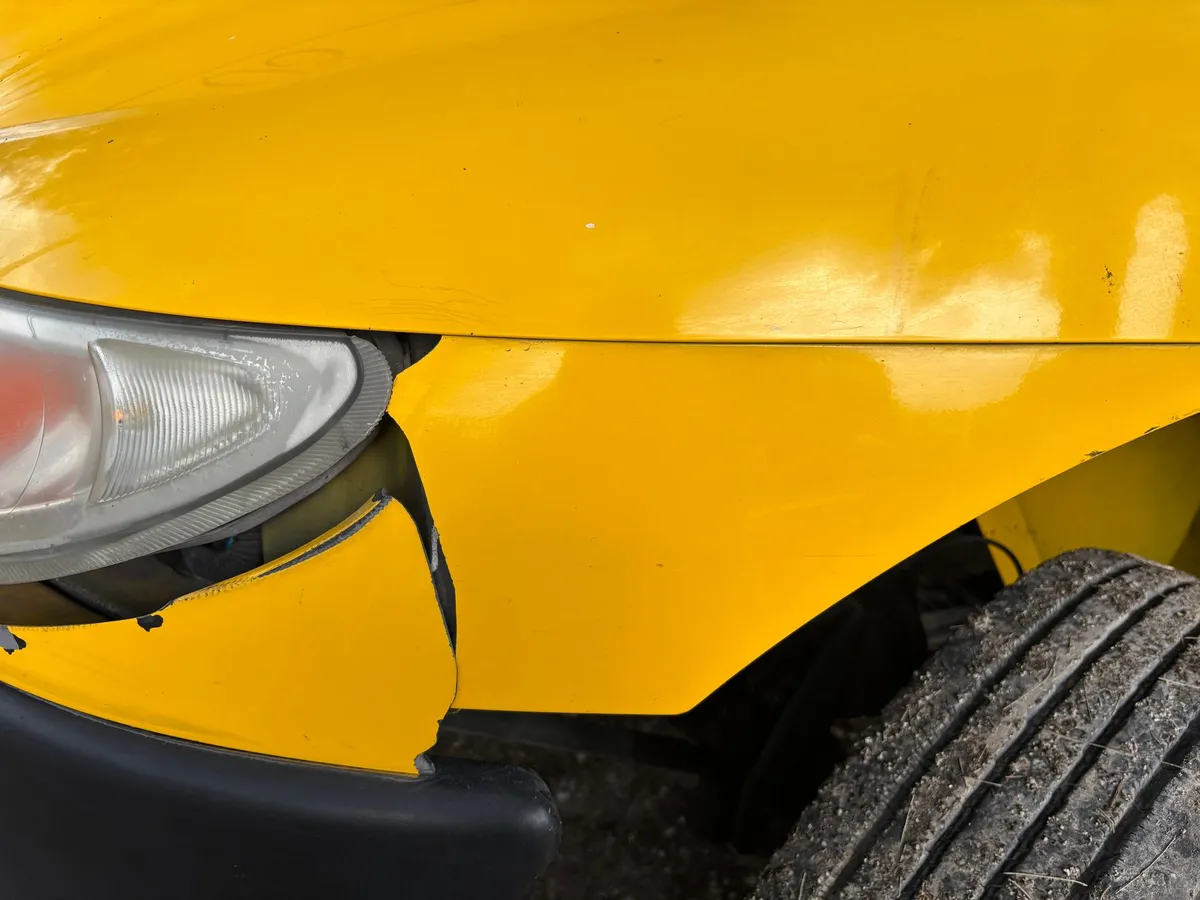
A diminished value claim is a claim for the resale value your car lost because it now has an accident on its history — even after a repair a shop would call perfect. Two identical cars, one with a clean title history and one with a repaired accident, don't sell for the same price. A diminished value claim is how you recover that gap.
You generally qualify if another driver was at fault, your car was repaired rather than totaled, and you file within your state's deadline — three years from the accident date in California. The claim almost always goes against the at-fault driver's insurer, not your own.
What Is a Diminished Value Claim?
The Insurance Information Institute defines diminished value as the difference between what your car was worth right before an accident and what the repaired car is worth on the market afterward. A repair can be flawless — factory parts, perfect paint match, zero drivability issues — and the car will still carry a lower resale price than an identical car with no accident on its history, because a vehicle history report doesn't know or care how good the bodywork was.
A diminished value claim is what happens when your car survives the accident but its resume doesn't.
The Three Types of Diminished Value
- Inherent diminished value — the automatic drop in resale value that comes from having an accident on the record at all, regardless of repair quality. This is what most claims are based on, and the type courts and insurers recognize most consistently.
- Repair-related diminished value — additional loss caused by substandard repair work itself: mismatched paint, non-OEM parts where OEM was expected, panel gaps, or lingering fit-and-finish issues.
- Immediate diminished value — the drop in worth right after the accident but before any repair happens. It mostly comes up in total-loss math rather than a typical post-repair claim.
Diminution in value is just the formal name for the same idea — expect to see both terms used interchangeably depending on which insurer or law firm is writing about it.
Do You Qualify?
You're generally in range for a diminished value claim if:
- Another driver was found at fault for the accident.
- Your car was repaired and is still on the road, not totaled.
- The repair is documented — records, photos, receipts.
- You file within your state's statute of limitations.
Vehicle age and mileage matter too, just not the way people expect. A well-maintained daily driver a few years old is a straightforward case. A very high-mileage or genuinely old car can actually hold steady, or occasionally gain a little value, after a well-documented repair — buyers weren't paying a premium for spotless history on that car to begin with, so there's less value left to lose. An appraisal is what actually tells you which side of that line your specific car lands on, rather than guessing.
Why Your Own Insurer Usually Doesn't Pay
Diminished value is filed as a third-party property damage claim against the at-fault driver's insurer, not your own. Most standard collision policies specifically exclude paying diminished value on your own car when you're the one at fault — a detail buried in language nobody reads until they need it. The National Association of Insurance Commissioners confirms the general shape of this: liability claims against another driver's insurer work differently than claims against your own collision coverage, and the two aren't interchangeable.
(Insurers are not required to bring diminished value up first, or at all. Shocking absolutely no one who has ever actually read an insurance policy cover to cover.)
If the at-fault driver turns out to be uninsured, whether your own uninsured motorist coverage picks up diminished value depends heavily on your state — roughly half of states allow it under that specific coverage, and roughly half don't.
How to Prove Diminished Value
A demand letter with no appraisal attached is easy for an adjuster to wave off — it's a strongly worded opinion, not evidence. We've read more demand letters than we'd like to admit, and “this feels low” has never once moved a claims adjuster. A specific, documented number does.
Proving diminished value takes a written appraisal covering the vehicle's pre-accident condition, the quality of the repair work, and comparable sales of similar vehicles with and without accident history in your local market. That's the same evidence-first approach behind a diminished value appraisal: not just a number, but the comparables that justify it, in a format an adjuster can actually evaluate instead of dismiss.
How to File a Diminished Value Claim
- Confirm fault and get the accident report — you need the at-fault determination on record before an insurer will engage.
- Complete the repair and keep every record: shop invoice, parts used, before-and-after photos.
- Get an independent appraisal documenting the diminished value specific to your vehicle, not a generic percentage-off calculator.
- Send a demand letter to the at-fault driver's insurer, with the appraisal report attached and a specific dollar figure named.
- Negotiate from the number, not the feeling. A documented appraisal is what gives you room to push back on a lowball counteroffer.
This is the automotive version of “no soup for you” in reverse — the car is fixed and back on the road, but its value is still getting turned away at the counter until someone documents the gap and asks for it back.
California's Filing Window
In California, a diminished value claim for property damage falls under Code of Civil Procedure Section 338(c), which gives you three years from the date of the accident to bring a claim for injury to personal property. Three years sounds generous. It also happens to be exactly why people don't file — the deadline feels far off right up until it isn't.
Here's the one opinion I'll hand you: three years is the legal deadline, not the practical one. California gives you that window under Section 338, but every month you wait is a month closer to a future buyer looking at your car's history report instead of your memory of how careful the body shop was. File while the repair records, the photos, and the comparable sales data are still fresh, not when the calendar forces your hand.
One of our appraisers keeps an informal ranking of the worst diminished-value lowball offers we've seen. We're told it's not a healthy hobby. We're keeping it anyway.
Get an Appraisal for Your Claim
Send us your repair records and accident details, and we'll appraise the vehicle — remotely in most cases, in person when the claim calls for it — research comparable sales in your market, and put together a written report built to support a demand letter or a formal dispute. If your car was declared a total loss instead of repaired, that's a different process — see our guide on total loss appraisals instead.
Request an appraisal to get started, or browse more guides like this on the blog.
Send us the repair, send us the records, and we'll send back a number an adjuster has to actually respond to — not just a feeling that the offer was low.
Frequently Asked Questions
What is a diminished value claim?
It's a claim for the resale value your car lost because it now has an accident on its history, even after a complete repair. Two identical cars, one with a clean history and one with a repaired accident, sell for different prices — a diminished value claim recovers that gap.
What are the three types of diminished value?
Inherent diminished value is the automatic drop in resale value from having an accident on the record at all, and is the type most claims are based on. Repair-related diminished value is additional loss from substandard repair work — mismatched paint, non-OEM parts, panel gaps. Immediate diminished value is the difference in worth right after the accident but before any repair happens, mainly used in total-loss and short-term valuation contexts rather than a typical claim.
Who pays a diminished value claim — my insurer or the other driver's?
Almost always the at-fault driver's insurer, filed as a third-party property damage claim. Most standard collision policies exclude paying out diminished value on your own vehicle when you're the one who caused the accident.
Can I file a diminished value claim against my own insurance?
It depends on the state and your specific policy language, and it's the exception rather than the rule. If the at-fault driver was uninsured, whether your own uninsured motorist coverage applies to diminished value varies — about half of states allow it under that specific coverage.
How do I prove diminished value?
With a written appraisal that documents the vehicle's pre-accident condition, the repair quality, and comparable sales of similar vehicles with and without accident history in your market. A demand letter with no appraisal behind it is easy for an adjuster to dismiss; one with a documented number attached is harder to ignore.
How long do I have to file a diminished value claim in California?
Three years from the date of the accident, under California Code of Civil Procedure Section 338(c), which covers claims for injury to personal property. That is the outer legal deadline, not a recommended timeline — the earlier you file, the fresher the comparables and the stronger the claim.
Will an older car still qualify for diminished value?
Sometimes not. Very high-mileage or older vehicles can actually hold steady or even gain a bit of value after a well-documented repair, since buyers are less sensitive to accident history on a car that wasn't going to command a premium price anyway. An appraisal is what tells you which side of that line your specific car falls on.