Odometer Rollback Signs: How to Tell If a Car’s Mileage Has Been Tampered With
By Auto Appraisal Pros Team · October 22, 2026 · 9 min read
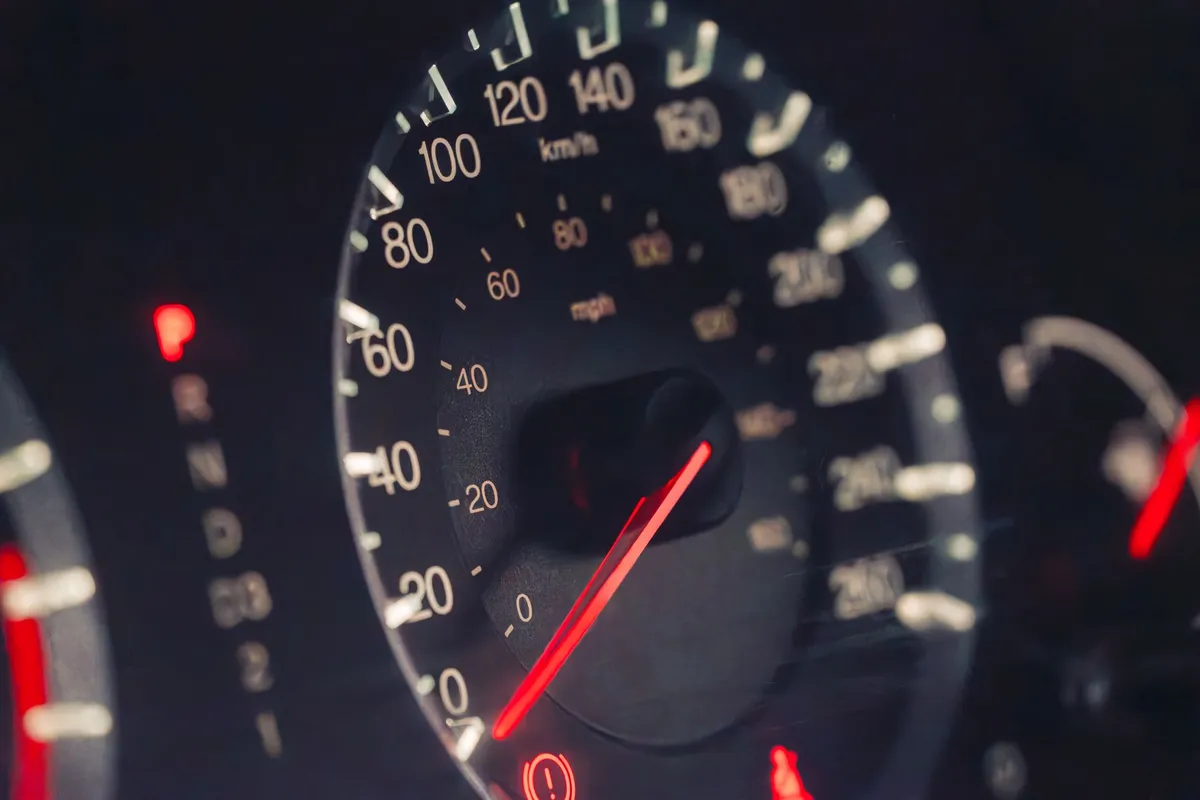
The clearest odometer rollback signs are physical wear that doesn't match the number on the dash, service records showing a higher mileage at an earlier date than the car currently displays, and a title branded "exceeds mechanical limits" or "not actual mileage." No single sign proves tampering on its own, but two or three together are a real red flag worth acting on before you buy.
The short version: check the car itself, check the paperwork, and check the title — in that order, since each one catches something the others miss.
The Short Version
- Wear on the seat, pedals, and steering wheel should roughly match the mileage claimed.
- Service records and inspection stickers create a timestamped mileage history worth cross-checking.
- Misaligned odometer digits are a tell on older analog units; digital tampering is harder to spot by eye.
- Odometer tampering is a federal crime, with real civil penalties for victims who pursue it.
Physical Wear That Doesn't Match the Number
A car genuinely driven 30,000 miles and a car driven 100,000 miles wear differently, and that wear is hard to fake convincingly. The driver's seat bolster, the brake and gas pedal rubber, and the steering wheel rim all show cumulative use — heavy wear on any of them next to a low reported mileage is worth a second look. Tires are a useful check too: original factory tires typically show real wear by 30,000 to 40,000 miles, so a car with a "low-mileage" odometer reading and brand-new tires with no other explanation is a combination worth asking about directly.
None of this is a substitute for a full pre-purchase inspection, but it's the kind of thing worth checking in the first five minutes, before you invest time in a deeper look.
Context matters here too. A car driven mostly on the highway by a single owner commuting long distances can show real mileage in the 15,000-to-20,000-per-year range without looking particularly worn, while a car that spent years in stop-and-go city traffic or carried kids and pets daily can look rougher than its actual mileage suggests. Wear is a useful cross-check, not a precise instrument — it's most telling when it contradicts the odometer by a wide margin, not when it's merely a little higher or lower than you'd expect.
The Paper Trail
Service records, state inspection stickers, and old registration documents all capture a mileage reading at a specific point in time, which makes them one of the harder things to fake consistently across multiple sources. If a receipt from a brake job two years ago lists 80,000 miles and the odometer today reads 60,000, that's not a maintenance mystery — it's a rollback. Gaps in the service or ownership history are worth noting too, even without a direct contradiction, since a missing stretch of years is exactly when tampering is hardest to catch after the fact.
The FTC recommends starting at vehiclehistory.gov — the official NMVTIS consumer portal — for free information on a vehicle's title and most recently reported odometer reading, as a baseline cross-check against whatever the seller tells you directly.
The Dashboard Itself
On older cars with mechanical, rolling-number odometers, physical tampering sometimes leaves a visible trace: digits that aren't quite aligned with each other, numbers spaced unevenly, or a gap panel with scratches, loose screws, or warped plastic around the instrument cluster — all signs the dash was opened up at some point for reasons that have nothing to do with normal maintenance.
The Disclosure Requirement at Every Title Transfer
Beyond the ban on tampering itself, 49 U.S.C. § 32705 requires anyone transferring ownership of a vehicle to give the buyer a written disclosure of the cumulative mileage on the odometer, and separately prohibits giving a false statement in that disclosure. A vehicle generally can't even be licensed under a new owner's name without a signed, dated mileage disclosure statement submitted along with the title application.
That paperwork requirement is itself a useful check. A private seller who can't produce a signed disclosure statement, or whose statement doesn't match the number on the dash, isn't just being disorganized — they're skipping a step the law specifically requires, and that's worth treating as a signal rather than a formality.
Digital Odometers Aren't Immune
Modern digital odometers are harder to tamper with casually, but not impossible — it takes specialized tools and software rather than a screwdriver, which has shifted rollback fraud rather than eliminated it. The upside is that digital tampering often leaves its own kind of trace: many vehicles store mileage data in more than one electronic module (the instrument cluster and a separate body or transmission control module, for example), and a diagnostic scan at a qualified shop can sometimes catch a mismatch between what the dash displays and what's logged elsewhere in the vehicle's own systems.
This is one area where a general pre-purchase inspection and a mileage-specific check genuinely diverge — a mechanic checking brakes and suspension isn't necessarily pulling odometer data from a secondary module unless asked to. If digital tampering is a real concern on a specific car, it's worth asking for that check explicitly rather than assuming a standard inspection covers it.
The Law Behind It
Odometer tampering isn't a gray area — it's a federal crime. Under 49 U.S.C. § 32703, it's illegal to install a device that makes an odometer register false mileage, to disconnect or alter an odometer with intent to change its reading, or to knowingly drive a vehicle with a disconnected or non-functioning odometer with intent to defraud.
Here's the one opinion I'll hand you: most buyers who discover rollback fraud after the fact assume there's nothing to be done beyond feeling cheated, and that's simply not true — the law was written with real teeth specifically because odometer fraud was, and still is, common enough to warrant a federal statute rather than leaving it to individual state consumer-protection laws alone. Under 49 U.S.C. § 32710, a violation committed with intent to defraud makes the seller liable for three times your actual damages or $10,000, whichever is greater, plus attorney's fees — a real remedy, not a symbolic one, within a two-year window to act.
What to Do If You Suspect It
- Pull a vehicle history report and compare every mileage reading listed against what the odometer shows now.
- Request any service records the seller has, and ask your own mechanic to check for a diagnostic mismatch.
- Check the title for a mileage brand — "exceeds mechanical limits" or "not actual mileage" are explicit warnings, not neutral paperwork language.
- Request the signed mileage disclosure statement the seller is legally required to provide, and compare it against the odometer in person.
- If you've already bought the car and suspect fraud, document everything before confronting the seller or filing a claim.
Documentation matters more than confrontation in the early stages. Photos of the odometer, copies of every mileage figure you've found in writing, and a timeline of when each document was created build the record that actually makes a civil claim viable later, if it comes to that. Confronting a seller before that record exists tends to just give them time to get their story straight.
How an Appraisal Fits In
Mileage is one of the core inputs in any vehicle valuation, which means an appraisal built on a tampered number is wrong from the start — not approximately wrong, but built on a false premise that cascades through every comparable the appraiser selects. A professional appraisal cross-checks reported mileage against service records, inspection history, and title data as a standard part of the process — the same diligence this post walks through, done formally and documented in writing.
If you're buying, selling, or settling a dispute involving a vehicle's value, send us the details and we'll build a documented appraisal that checks the number before it becomes the foundation of anything else.
Request an appraisal to get started, or browse more guides like this on the blog.
A number on a dashboard is a claim, not a fact, until something else backs it up.
Frequently Asked Questions
What are the warning signs of a rolled-back odometer?
Wear on the seat, pedals, steering wheel, or tires that looks heavier than the mileage suggests; service records or inspection stickers showing a higher mileage at an earlier date than the current reading; a title branded "exceeds mechanical limits" or "not actual mileage"; and misaligned digits on an analog odometer.
Can a digital odometer be rolled back?
Yes. It takes specialized tools rather than a screwdriver, but digital odometers can be altered. The tampering often leaves a trace, though — many vehicles store mileage in more than one electronic module, and a diagnostic scan can sometimes reveal a mismatch between them.
Is odometer rollback illegal?
Yes, under federal law. Tampering with an odometer, or knowingly selling a vehicle with a disconnected or altered one, is prohibited under 49 U.S.C. § 32703, with civil penalties and a private right of action for victims.
Can I sue if I bought a car with a rolled-back odometer?
Under federal law, a violation committed with intent to defraud makes the seller liable for three times your actual damages or $10,000, whichever is greater, plus attorney’s fees, under 49 U.S.C. § 32710. A two-year statute of limitations applies.
Where can I check a car’s reported mileage history?
The FTC recommends starting at vehiclehistory.gov, the official NMVTIS consumer portal, which provides free information on a vehicle’s title and most recently reported odometer reading.
Does odometer fraud affect a vehicle’s appraised value?
Directly. Mileage is one of the core inputs in any valuation, and an appraisal that relies on a tampered number is wrong by definition. A professional appraiser cross-checks reported mileage against service records and title history as a standard part of the process.