Motorcycle Valuation Tools Compared: KBB, NADA, Cycle Trader, and What They Miss
By Auto Appraisal Pros Team · October 15, 2026 · 10 min read
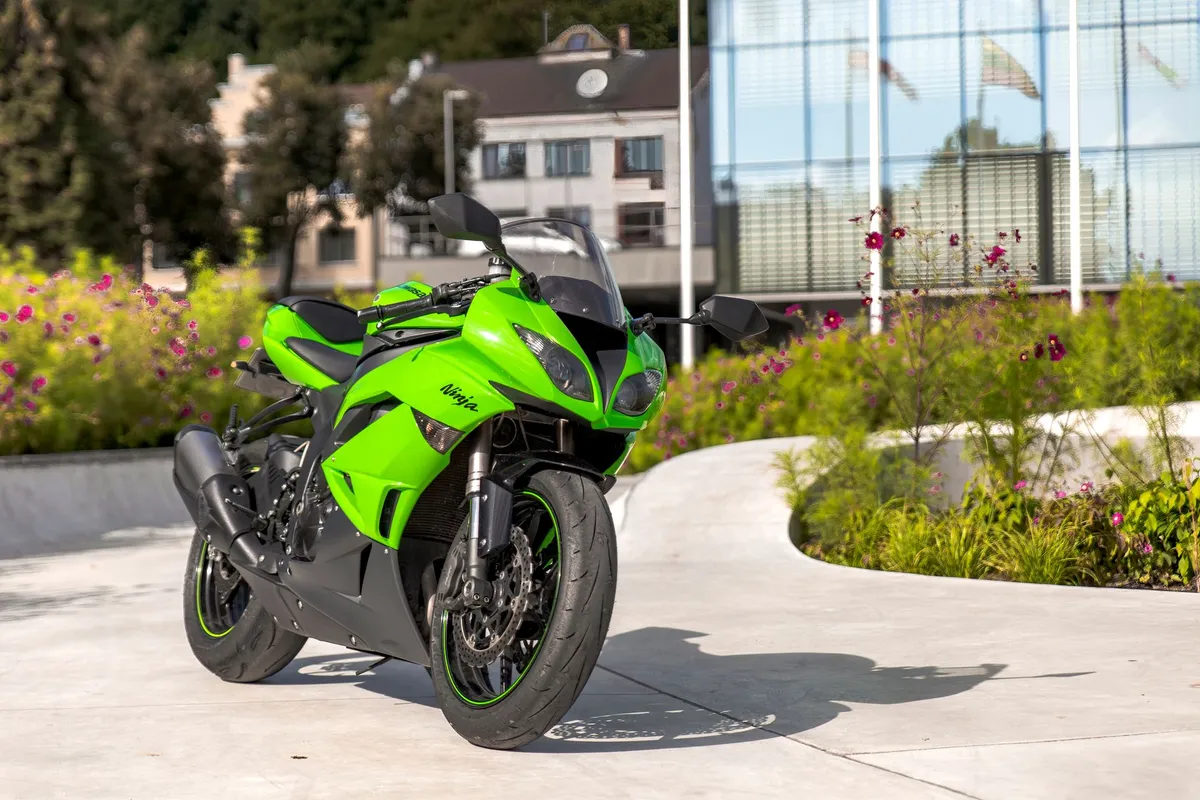
KBB, NADA/J.D. Power, and Cycle Trader can each hand you a different number for the exact same motorcycle, and none of them is simply lying to you. Every free valuation tool pulls from a different data set and weights it differently — which is useful to know before you treat any single number as the final word.
The short version: these tools are genuinely useful starting points, not finished answers. Here's how each one actually works, why they land in different places, and what none of them can see.
The Short Version
- No major tool uses live transaction data — all rely on historical trends and modeling.
- KBB tends to track closer to private-party sales; NADA/J.D. Power often runs closer to dealer retail.
- You select your own condition tier on a free tool, and most owners rate generously.
- None of them can see modifications, maintenance history, or a salvage title the way a real inspection can.
The Main Tools, Compared
| Tool | Leans Toward | Best For |
|---|---|---|
| Kelley Blue Book | Private-party and retail estimates | A quick gut check before a private sale |
| NADA / J.D. Power | Dealer and wholesale levels | Trade-in and financing conversations |
| Cycle Trader | Current market listings | Seeing what similar bikes are actually asking |
None of these three are wrong, exactly — they're each optimized for a different moment in the buying or selling process. Using only one is like judging an entire meal from a single bite.
Smaller, niche tools exist too, and most of them lean on the same underlying guidebook data as KBB or NADA rather than running independent analysis — a different interface on largely the same engine. Worth knowing before you treat a third or fourth free number as independent confirmation of the first two.
Why They Disagree With Each Other
NADA/J.D. Power data leans toward dealer and lender use, pulling from trade-in and wholesale auction activity. KBB separates trade-in, private-party, and retail figures aimed more directly at individual buyers and sellers. Cycle Trader reflects current asking prices on active listings, which run higher than either guide since they're what sellers want, not necessarily what bikes actually sell for.
None of the major tools pull live transaction data the way a stock ticker does. They're built from historical trends, reported sales, and market modeling — genuinely useful as a starting range, but worth treating as exactly that: a range, not a verdict.
The Four-Tier Condition Problem
Most guides grade condition on a four-tier scale — Rough, Average, Clean, Excellent — and the dollar swing between tiers is substantial. The problem is obvious once you say it out loud: when you use a free online tool, you're the one selecting the tier. Almost nobody rates their own bike “Average.”
Here's the one opinion I'll hand you: self-graded condition is the single biggest reason free tool estimates run high. It's not that the tools are broken — it's that the input most likely to be inflated is also the input doing the most work in the calculation.
What No Tool Can See
- Modifications — an aftermarket exhaust or custom paint can add value to the right buyer and do nothing for the next one.
- Real maintenance history, versus a condition grade you typed in yourself.
- A salvage or rebuilt title, which commonly cuts 20% to 40% off clean-title value — a detail no condition dropdown captures.
- Local market demand, which a national average averages right past.
A VIN lookup helps confirm the basics — make, model, year, factory specs — and can surface title or recall issues worth knowing about. It still isn't the same as someone actually looking at the bike.
The VIN itself is also worth a second look before you trust any value built from it. A mismatched VIN between the frame, the title, and what a lookup tool returns is a reason to stop and ask questions, not a detail to shrug past on the way to a number.
How to Use These Tools Well
Run more than one. Compare KBB against NADA, then check Cycle Trader for what similar bikes are actually listed at in your area right now. Grade your own condition harshly, not generously — or better, have someone else look at it first. Three numbers in a reasonable range tell you more than one number treated as gospel.
Trade-in tools from insurers or dealer networks follow the same logic as NADA — they're built to protect the party offering the number, not to maximize what you walk away with. Useful as one more data point. Not the number to anchor a private sale around.
When a Tool Isn't Enough
A free estimate is fine for a casual sale between two people who both trust it. It stops being enough when:
- Your insurer needs a documented number for an agreed-value policy. Most insurers want more than a screenshot of a free estimate before they'll lock in a payout figure.
- The bike has a salvage or rebuilt title. The discount needs to be justified with real comparables, not guessed at from a dropdown that doesn't even ask about title status.
- It's a collector or heavily modified bike. A standardized tool built from high-volume sales data has nothing comparable to average from.
- You're in a dispute. Whoever is on the other side of that dispute is going to question a free number. A documented one is harder to wave away.
Appraisers accredited through the American Society of Appraisers follow a documented methodology specifically because a self-selected condition tier isn't evidence — it's a starting guess.
How to Get a Real Appraisal
Send us your motorcycle's details — VIN, mileage, condition, modifications, and title status. You can check the title and history yourself through the National Motor Vehicle Title Information System beforehand if you want a head start. We research real comparable sales and provide a written appraisal that goes further than any condition dropdown can.
Request an appraisal to get started, or browse more guides like this on the blog.
Run the free tools if you want a ballpark. Send it to us when the number actually has to hold up.
Frequently Asked Questions
Which motorcycle valuation tool is most accurate?
None of them pulls live transaction data — all rely on historical trends and modeling, which makes them useful starting points rather than final answers. KBB tends to track closer to private-party sales, while NADA/J.D. Power values often run closer to dealer retail or wholesale levels. Checking current local listings alongside either tool gives a more grounded number.
Why do KBB and NADA give different values for the same motorcycle?
They weight different data and serve different audiences — NADA/J.D. Power data leans toward dealer and lender use, while KBB separates trade-in, private-party, and retail figures aimed more at individual buyers and sellers. Neither is simply wrong; they’re measuring somewhat different things.
What is the four-tier condition system these tools use?
Most guides grade a motorcycle as Rough, Average, Clean, or Excellent, and the value swings significantly between tiers. The catch is that you’re the one selecting the tier when you use a free online tool — and most owners rate their own bike’s condition more generously than an independent inspection would.
Can I use a motorcycle VIN to get an exact value?
A VIN lookup confirms the make, model, year, and factory specs, and can surface title or recall issues — useful inputs, but it doesn’t replace actually assessing the bike’s condition, modifications, or maintenance history, all of which still move the number substantially.
Do these valuation tools account for modifications?
Generally not well. Aftermarket exhausts, custom paint, and performance upgrades can add value to the right buyer or shrink your buyer pool entirely, and a standardized online tool has no field for that kind of nuance.
When should I get a professional appraisal instead of using a free tool?
When the number needs to hold up to someone else’s scrutiny — insurance, a salvage or rebuilt title, a collector or heavily modified bike, or any dispute where a free estimate won’t be taken as the final word.