The Diminished Value Demand Letter: What to Include and How to Send It
By Auto Appraisal Pros Team · October 14, 2026 · 11 min read
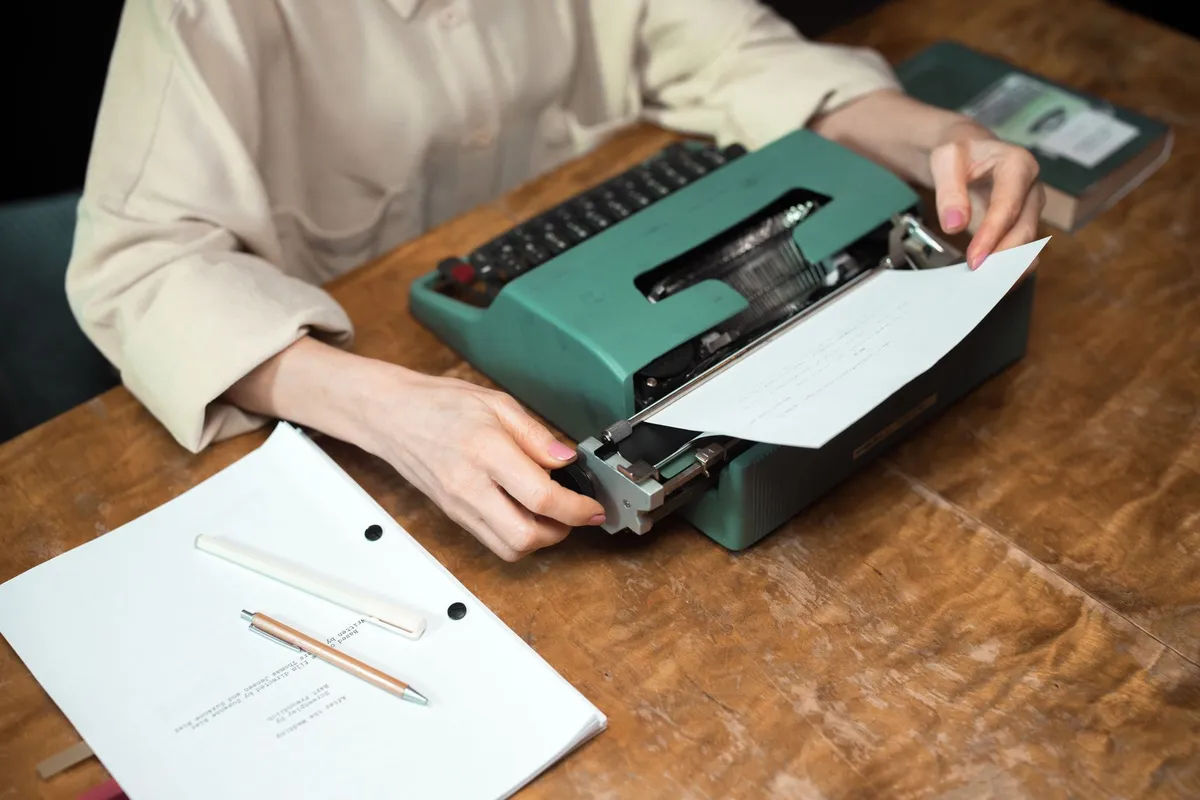
A diminished value demand letter needs a specific number backed by an appraisal, not a general complaint about how your car used to be worth more. Insurers respond to a dollar figure with evidence behind it. They don't respond nearly as fast to a letter that spends three paragraphs on frustration before mentioning a number at all.
The short version: the letter is simple once you have the appraisal in hand. Most of the actual difficulty in this process happened before you sat down to write.
The Short Version
- Get a documented appraisal before you write the letter — the number is the whole point.
- Include claim number, date of loss, liability statement, the specific demand, and your attachments.
- Send it to the party actually responsible — usually the at-fault driver's insurer.
- Most states require acknowledgment within about 15 days under unfair claims practices rules.
Before You Write It
A demand letter is only as strong as what backs it up. Before you draft anything, confirm you have: the claim number, the at-fault party's insurance information, your diminished value appraisal, repair invoices, and photos of the vehicle. Writing the letter before the appraisal exists is writing it backwards — the number is the entire reason the letter gets taken seriously.
What the Letter Needs
- Your name, contact information, and the claim number.
- Date of loss and a one- or two-sentence liability statement.
- Vehicle details — year, make, model, VIN.
- The specific dollar figure you're demanding, stated plainly.
- A list of attachments: the appraisal, repair invoices, photos, and any comparable-sales evidence.
Every one of these exists to answer a question an adjuster is going to ask anyway. Answering it in the letter is faster than making them ask.
The Basic Structure
A demand letter generally runs in this order, and doesn't need to be longer than one page:
- Identify the claim. Claim number, date of loss, parties involved.
- State liability briefly. One or two sentences establishing that the other party was at fault.
- State the demand. A specific dollar figure, not a range, backed by the attached appraisal.
- List attachments. Appraisal, repair records, photos, comparable sales.
- Request a timeline. Ask for a response by a specific date — typically two to three weeks out is reasonable.
We will absolutely read every word of your attached appraisal before you send it. We wrote it to be read closely. (That part's not an accident.)
Template
[Date]
[Insurance Company Name]
[Adjuster Name]
Re: Claim #[Claim Number] — Diminished Value Demand
Dear [Adjuster Name],
This letter formally demands compensation for diminished value to my vehicle, a [Year] [Make] [Model], VIN [VIN Number], resulting from the accident on [Date of Loss] caused by your insured, [At-Fault Driver Name].
While the vehicle has been repaired, it is now worth less than an identical vehicle with no accident history. Based on the attached independent appraisal, the diminished value of my vehicle is [$Amount].
I am requesting payment of this amount within [X] days of receipt of this letter. Attached please find: the independent diminished value appraisal, repair invoices, and photographs of the vehicle.
Please confirm receipt of this letter and advise of your decision by [date]. I can be reached at [phone/email] with any questions.
Sincerely,
[Your Name]
[Phone / Email]
Replace every bracket with your specific facts. A template with brackets left unfilled is worse than no template at all — it reads as exactly what it is.
What Adjusters Actually Look For
An adjuster handling dozens of files at once is scanning for two things fast: is there a specific number, and is there evidence behind it. A letter that leads with both in the first few lines gets processed differently than one that buries the number in paragraph four. This isn't about writing persuasively — it's about making the claim easy to evaluate on its own terms.
Here's the one opinion I'll hand you: the single highest-leverage thing in this entire letter is the appraisal attached to it, not the prose around it. A documented, credible number does more persuading in one sentence than three paragraphs of justification ever will.
How to Send It
Send it to the adjuster actually handling the claim — confirm this first rather than guessing. Email with a read receipt or certified mail both create a paper trail showing when it was received, which matters if you later need to point to a response deadline. Keep a copy of everything you send, with the date.
What Happens Next
Most states require insurers to acknowledge a claim within a set window under their unfair claims practices rules — Ohio, for example, requires acknowledgment within 15 days of receiving notice. A full response or settlement offer typically takes longer, and a counteroffer is a normal part of the process, not a rejection.
If the insurer disputes the comparable vehicle your appraisal used, some states provide a specific recourse. The Illinois Department of Insurance, for example, gives policyholders a right of recourse if a comparable vehicle can't be found at the settled value within 30 days — the insurer must then pay the difference, locate a true comparable, or move to formal appraisal. Rules like this vary by state, but the underlying pattern — a specific process exists once you push back with documentation — holds broadly.
Mistakes That Weaken a Letter
- Leading with frustration instead of the number. The adjuster's job is processing files, not absorbing how unfair your week has been. Get to the figure fast.
- A vague range instead of a specific figure. “A few thousand dollars” isn't a demand an adjuster can act on. A specific number is.
- No attached appraisal. An unsupported number reads as an opinion, not a claim — and opinions don't get paid out.
- No requested response date. Without one, the letter can sit indefinitely with nobody technically responsible for answering it.
- Sending it to the wrong party. Confirm which insurer and which adjuster actually owns the claim before anything goes out.
How to Get Your Appraisal Started
Send us your vehicle's details, repair records, and photos. We research real comparable sales and provide a written diminished value appraisal built to be the centerpiece of your demand letter — the evidence that makes the number worth taking seriously.
Request an appraisal to get started, or browse more guides like this on the blog.
Get us the details, and we'll get you the number. The letter after that is the easy part.
Frequently Asked Questions
What should a diminished value demand letter include?
Your name, claim number, date of loss, the at-fault party, vehicle details, a brief liability statement, the specific dollar figure you’re demanding backed by an appraisal, and a list of attached supporting documents — the appraisal, repair invoices, and photos.
Do I need an appraisal before I write the letter?
Yes, functionally. The letter’s central claim is a specific dollar figure, and that figure needs to come from somewhere credible — a documented appraisal is what turns “my car is worth less” into a number an adjuster can actually evaluate and approve.
How long does an insurer have to respond to a demand letter?
It varies by state, but acknowledgment within about 15 days is a common requirement under state unfair claims practices rules — Ohio, for example, requires insurers to acknowledge a claim within 15 days of receiving notice. A full response or settlement offer typically takes longer.
What happens if the insurer disputes my demand letter?
Expect a counteroffer or a request for more documentation before assuming the claim is denied. If you can’t reach agreement, most policies include an appraisal clause that lets you invoke a formal dispute process without going to court.
Should I send the demand letter to my insurer or the at-fault driver’s insurer?
Generally the at-fault driver’s insurer, since diminished value is a loss their policyholder caused. Confirm which company and adjuster is actually handling the claim before sending anything.
What’s the biggest mistake people make writing these letters?
Leading with frustration instead of a number. A letter that spends three paragraphs explaining how unfair the situation is, then mentions a vague figure at the end, gets taken far less seriously than one that states the specific demand plainly and backs it with evidence.