Can I Keep My Car After a Total Loss Settlement?
By Auto Appraisal Pros Team · October 22, 2026 · 9 min read
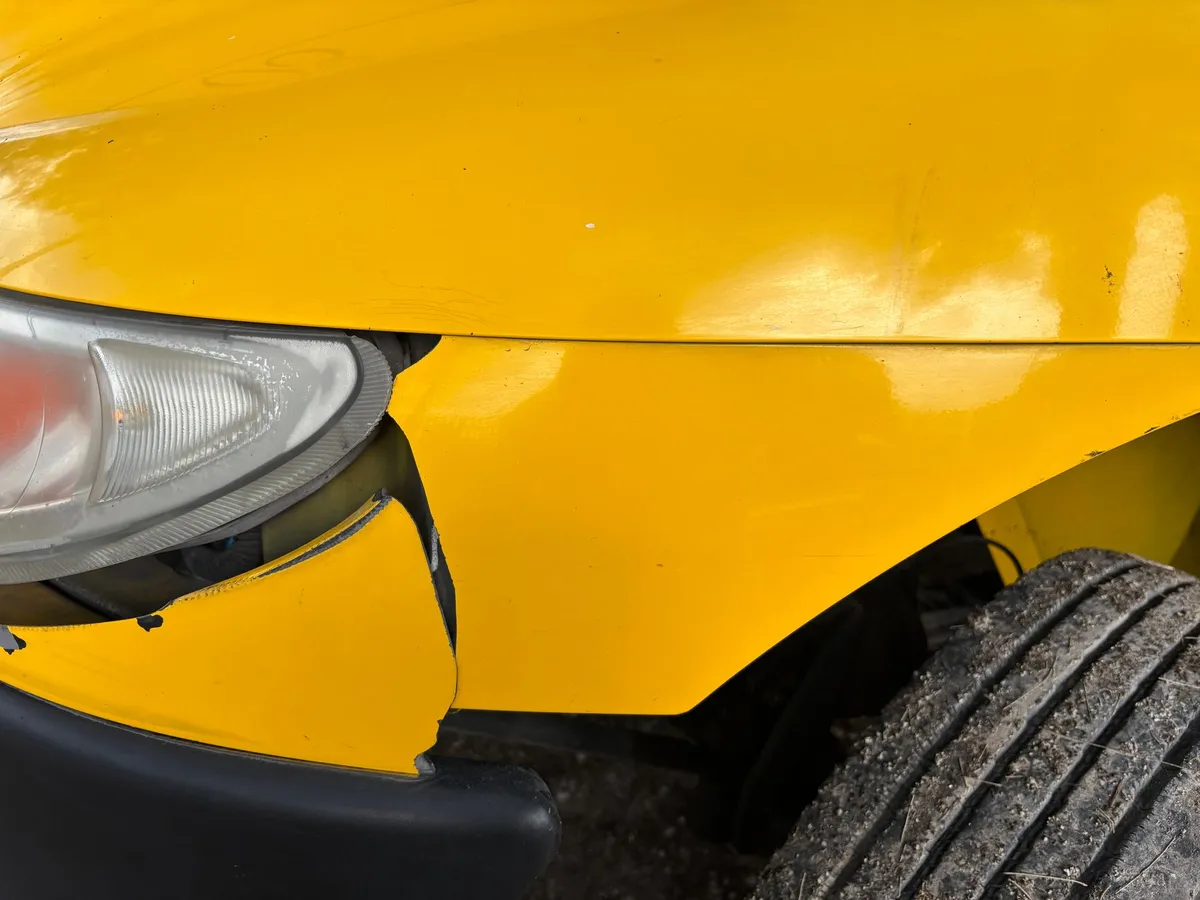
In most states, you can keep your car after a total loss settlement — the insurer deducts the vehicle's salvage value from your payout, hands you a salvage title instead of a clean one, and you take it from there. The right to keep it isn't really the hard part. The math behind whether you should is.
The short version: a smaller check, a title with real restrictions attached, and a repair-and-reinspection process standing between you and driving it legally again. All three are worth understanding before you tell the adjuster yes.
The Short Version
- Most states let you keep a totaled car, but the insurer subtracts its salvage value from your payout first.
- The car gets a salvage title, which blocks comprehensive and collision coverage until it's repaired and reinspected.
- A lienholder can block retention outright if you still owe money on the vehicle.
- The salvage deduction is a number worth questioning, the same way a low ACV offer is.
How Retention Actually Works
When an insurer declares your car a total loss, ownership doesn't automatically transfer to them. You can tell the adjuster you want to keep the vehicle instead of signing it over. From there, the insurer recalculates your payout: instead of the full actual cash value, you receive the ACV minus whatever the insurer's salvage vendor would pay for the wrecked vehicle as-is.
That distinction matters, because the ACV number itself is the same figure we've covered in detail in how insurers determine actual cash value— built from comparable listings and condition adjustments, run through software like CCC, Mitchell, or Audatex. If that starting number is off, the retention math built on top of it is off too.
A rough worked example: say the insurer's ACV offer on a totaled sedan is $18,000, and the salvage vendor's bid on the wrecked remains is $4,000. Your retention payout is the difference — $14,000 — plus a car that's still sitting in your driveway, damaged. Compare that to the alternative: sign the car over, take the full $18,000, and walk away with nothing else to manage. The retention math only looks better than that if you can repair the car for meaningfully less than the $4,000 gap it costs you to keep it, which is exactly why getting a repair estimate before deciding matters as much as checking the ACV number itself.
Why the Salvage Deduction Is Worth Questioning
Here's the one opinion I'll hand you: most owners treat the salvage deduction as a fixed, non-negotiable number, when it's really just another estimate generated by the same claims process that set the ACV figure in the first place. If the ACV offer looked low relative to real comparable sales, there's no particular reason to assume the salvage figure subtracted from it is any more reliable. Both numbers come from the same estimation process, and both are worth checking against independent documentation before you sign off on either one.
We've covered the broader dispute process in the appraisal clause in auto insurance, and it applies here just as much as it does to a straightforward total loss payout — most policies give you the right to challenge the insurer's number with your own independent appraisal, without a lawsuit.
In practice, this means asking for the salvage vendor's bid in writing, not just the final deducted figure. If multiple salvage buyers would realistically pay more for the wrecked vehicle than the insurer's single vendor bid, that gap is evidence, not just a hunch — and it's the kind of documentation an independent appraisal is built to gather and present.
The Salvage Title Tradeoff
A vehicle you retain after a total loss generally gets branded with a salvage title, and that brand follows the car permanently — it doesn't disappear even after a full repair. Most insurers will only offer liability coverage on a salvage-titled vehicle, meaning comprehensive and collision coverage are off the table until the car clears a reinspection and gets re-titled as rebuilt. Even after that point, a "rebuilt" brand stays on the title permanently as a visible marker in the vehicle's history — distinct from, but just as disclosed as, the original "salvage" designation.
Resale value takes a hit too, for the same reason we covered in buying a car without a title: a branded title is a permanent, visible flag that shrinks your buyer pool and your eventual sale price, regardless of repair quality. Running the VIN through NMVTIS, the federal title history system, will surface that brand to any future buyer who checks — which they increasingly do, so pricing the car honestly against that reality from the start tends to go better than hoping a buyer doesn't look.
Getting It Back on the Road
Driving a salvage-titled car is illegal in most states until it passes a formal reinspection. Connecticut's DMV process is a representative example of what that actually involves: bringing the vehicle in on a flatbed for inspection, receipts for major replacement parts, photographs documenting the damage and the repair work, a completed repair report, and — notably — the original insurance appraisal as part of the required documentation. Once it passes, the state issues a new title marked "rebuilt" rather than "salvage," and the car can be legally registered and driven again.
Requirements and fees vary meaningfully by state, so confirming the exact process with your own state DMV before committing to a repair timeline is worth the phone call. Some states require the inspection at a DMV office specifically; others allow a licensed dealer or repair facility to handle it. Either way, budget for both the inspection fee itself and the time the vehicle will be unavailable to drive while the paperwork and repairs are in progress — it's rarely a same-week process.
If You Still Owe Money on the Car
A lienholder complicates retention significantly. The settlement check gets paid to the lender first, not to you, and many lenders simply won't approve retention on a financed vehicle at all — their collateral is the car itself, and a salvage-titled vehicle is worth less as collateral than a clean one. Even lenders who allow it typically require the loan to be paid down or off before releasing any claim to the vehicle, which can mean coming up with cash out of pocket on top of the reduced settlement.
If the loan balance is higher than the payout, gap insurance (if the policy includes it) covers the difference between what you owe and what the ACV settlement pays. Without gap coverage, owing more than the car was worth — commonly the case in the first couple of years of a loan, when depreciation outpaces what's been paid down — means you can end up making payments on a car that no longer exists in driveable form, totaled or not. It's worth checking whether a policy includes gap coverage before a loss happens, not after, since it generally can't be added retroactively to cover a claim already in progress.
When Keeping It Actually Makes Sense
Retention tends to make financial sense in a narrower set of situations than owners initially assume: when the salvage-adjusted payout is meaningfully smaller than what a competent repair would actually cost, when you or a trusted shop can do the repair work at a reasonable price, and when you're genuinely comfortable with a smaller insurance pool and a reduced resale ceiling going forward. Parts availability matters too — a car with an active, affordable parts market repairs more predictably than one where sourcing the right components turns into its own project.
It tends to make less sense on a newer vehicle still well within its depreciation curve, where the gap between repair cost and payout is usually smaller, and the insurance and resale penalties of a branded title cut deeper relative to what the car is actually worth. The math generally favors retention more on an older, simpler vehicle with cheap, available parts than on a recent model with complex electronics and a narrower repair network.
Sentimental value is a legitimate reason on its own, but it's worth being honest about which reason is actually driving the decision before signing anything, since the financial and sentimental cases don't always point the same direction.
A few practical questions worth answering before you decide: Can you actually get a written repair estimate before committing, rather than guessing at cost? Does your state's reinspection process add weeks or months you can live without a car? And does the insurer that currently covers you still want to write a policy on the rebuilt result, or will you be shopping for new coverage on top of everything else? A "no" or an unclear answer to any of those is worth resolving before the salvage title decision becomes permanent.
How to Get an Independent Number First
Before deciding whether to keep a totaled car, an independent total loss valuation gives you a documented number to check both halves of the math against — the actual cash value the settlement is based on, and the salvage deduction subtracted from it. We research real comparable sales and build a report that holds up if either figure needs to be challenged.
Request an appraisal to get started, or browse more guides like this on the blog.
Whichever way the decision goes, it should be based on your own numbers, not just the ones printed on the settlement letter.
Frequently Asked Questions
Can I keep my car after the insurance company totals it?
In most states, yes — you have the right to request retention. The insurer will deduct the salvage value from your settlement, and the vehicle will typically receive a salvage title, which comes with its own restrictions on insurance and resale.
How much does the insurer deduct for salvage value?
The deduction is based on what the insurer’s salvage vendor would pay for the wrecked vehicle, not a number you negotiate upfront in most cases. If that figure looks high relative to the car’s actual condition, it’s worth questioning — the same way a low actual cash value offer is worth questioning.
Can I insure a car with a salvage title?
Not for comprehensive or collision coverage. Most insurers only offer liability coverage on a salvage-titled vehicle. Once it’s repaired, passes a state inspection, and is re-titled as rebuilt, broader coverage usually becomes available again — though often at a higher premium and from a smaller pool of insurers.
What does a salvage title inspection require?
Requirements vary by state, but generally include receipts for major replacement parts, photos of the damage and repair process, and proof the repairs were actually completed — plus, in some states, the original insurance appraisal report as part of the documentation.
What happens if I still owe money on a totaled car?
The lender gets paid first out of the settlement, and many lienholders won’t approve retention at all if there’s an outstanding loan balance. If the loan exceeds the payout, gap insurance (if you have it) covers the difference — without it, you can owe money on a car you no longer fully own.
When does it make financial sense to keep a totaled car?
Generally when the salvage-adjusted payout is meaningfully less than what repairs would cost, you have the skills or a trusted shop to do the repair, and you’re comfortable with the insurance and resale limitations a rebuilt title carries going forward.